
Multi-scale Climate Mitigation Pathways
-
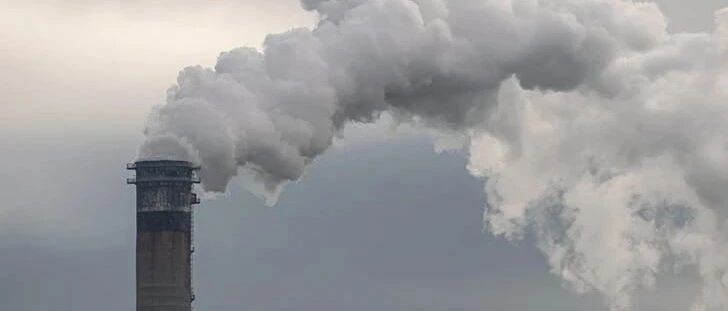
CEADs study reveals that the short-term suppression of global carbon emissions by COVID-19 exceeded tha
During the COVID-19 pandemic, human activity fell sharply on a large scale. In some countries, lockdown policies were adopted to protect public health, and industrial production and energy consumption dropped by 30% within just a few weeks, affecting global energy use and carbon dioxide emissions. Recently, a team led by Associate Professor Zhu Liu of the Department of Earth System Science at Tsinghua University, together with 27 domest...
-

CEADs Research: Sharing Tableware May Help Solve the Takeout Packaging Waste Problem
Takeout Packaging Waste Generation With the rapid development of e-commerce and mobile technologies, people’s lifestyles and eating habits have quietly changed. In recent years, China’s takeout economy has grown rapidly. Online takeout users increased from 60 million in 2011 to 420 million in 2019, a sixfold rise. The online takeout market expanded from 21.7 billion yuan in 2011 to 284.5 billion yuan in 2019, and takeout revenue ros...
-
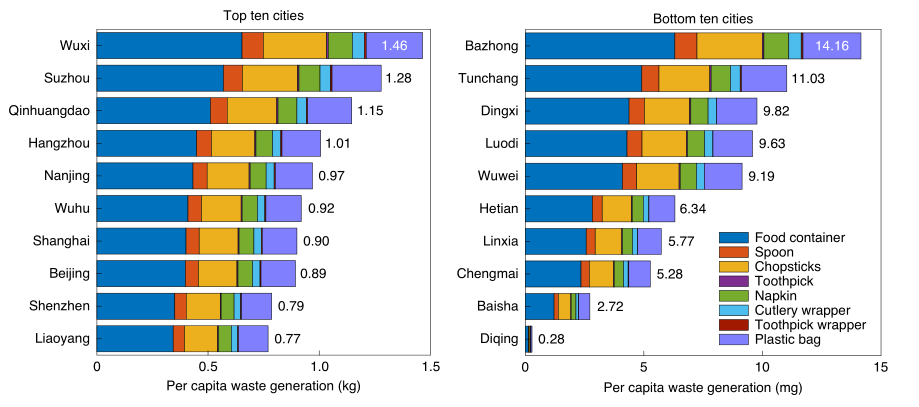
Sharing tableware reduces waste generation, emissions and water consumption in China’s takeaway packa
China has a rapidly growing online food delivery and takeaway market, serving 406 million customers with 10.0 billion orders and generating 323 kilotonnes of tableware and packaging waste in 2018. Here we use a top-down approach with city-level takeaway order data to explore the packaging waste and life-cycle environmental impacts of the takeaway industry in China. The ten most wasteful cities, with just 7% of the population, in terms o...
-

CEADs Research: Carbon Footprint Accounting for Multinational Supply Chains and the Investor Responsibi
Multinational Corporate Carbon Footprint In 2015, the Paris Agreement set the goal of keeping the rise in global average temperature well below 2 degrees Celsius above pre-industrial levels. However, the emissions reductions currently pledged by countries and companies are not enough to meet that target. Achieving the Paris goals requires companies to take more ambitious action on climate change. Large multinational corporations play an...
-

CEADs Study: Clear Shift in the Drivers of India's Carbon Emissions Growth
Introduction Climate change is a major challenge facing humanity in the new century, and carbon dioxide emitted from fossil fuel combustion is the main greenhouse gas driving it. Since 2013, the growth of global carbon emissions has clearly slowed, largely thanks to a series of energy-saving and emissions-reduction measures adopted after China entered the new normal of economic development. The realization of the next stage of global ca...
-
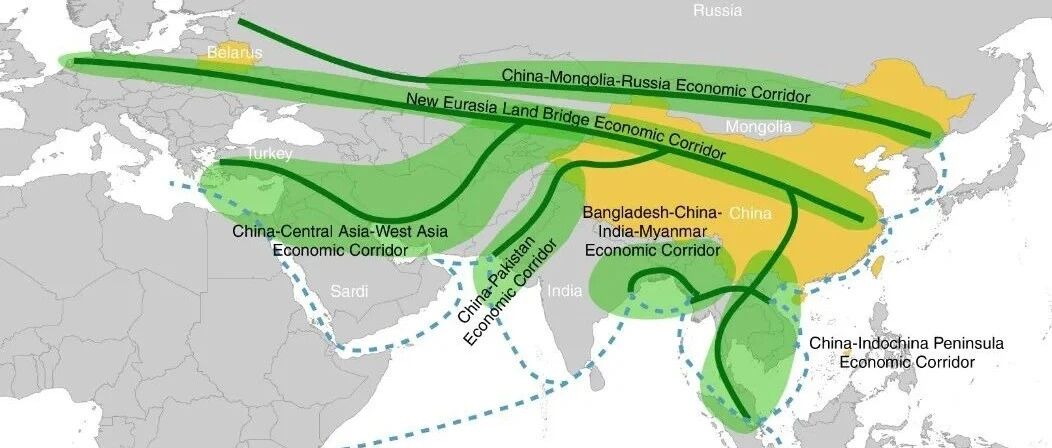
CEADs Research: Low-carbon Development along the Belt and Road — A Case Study of Belarus
For the past five years since the Belt and Road Initiative was proposed, it has achieved remarkable results. Infrastructure development and trade exchanges have made the Belt and Road a route to economic prosperity, while low-carbon and environmental principles have made it a route to green development. The CEADs team has devoted itself to building basic databases for Belt and Road countries and regions. Recently, a research paper led b...
-
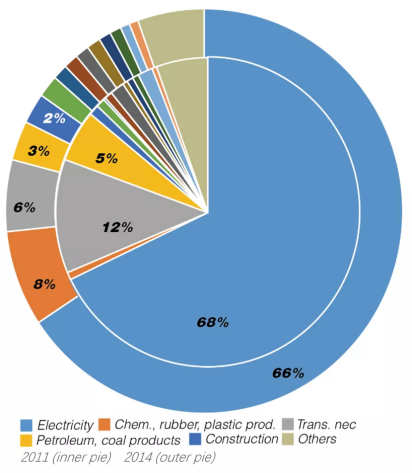
Low-carbon development via greening global value chains: a case study of Belarus
The rise of global value chains (GCVs) hasseen the transfer of carbon emissions embodied in every step of internationaltrade. Building a coordinated, inclusive and green GCV can be an effective andefficient way to achieve carbon emissions mitigation targets for countries thatparticipate highly in GCVs. In this paper, we first describe the energyconsumption as well as the territorial and consumption-based carbon emissionsof Belarus and i...
-
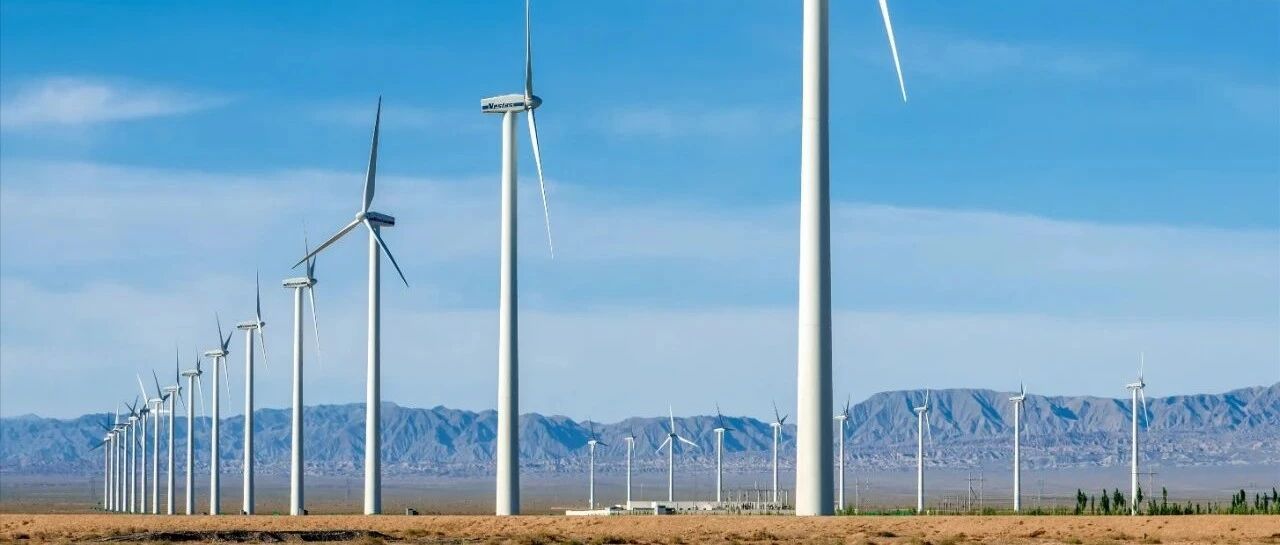
CEADs Study: Rare Earth Metal Supply Shortages Constrain Global Wind Power Development
As extreme weather and health events become more frequent, responding to global climate change has become an international consensus. Among the available pathways, scaling up renewable electricity and decarbonizing power systems is regarded as one of the most important. To this end, countries around the world have set ambitious wind power development targets, and large-scale wind farm construction is inevitable. Rare earth elements are ...
-
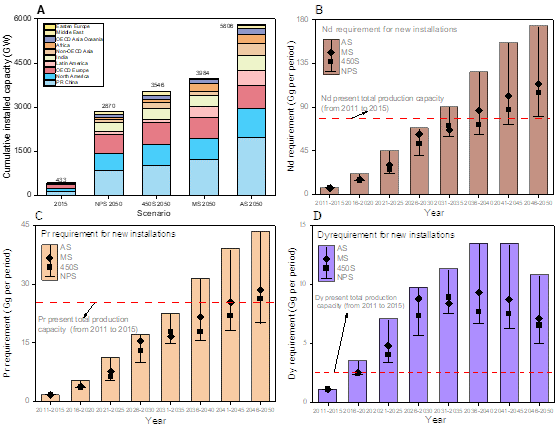
Critical Rare-Earth Elements Mismatch Global Wind-Power Ambitions
Wind power needs to be expanded rapidlyacross the world to stabilize our climate. However, there are increasingconcerns about conflicts between the supply of rare-earth elements (REs)(mainly neodymium, praseodymium, and dysprosium) and the global expansion ofwind power. Here, we provide a dynamic, technology-rich, and regional-specificapproach to exploring such conflicts among ten world regions through 2050 underfour widely recognized c...
-
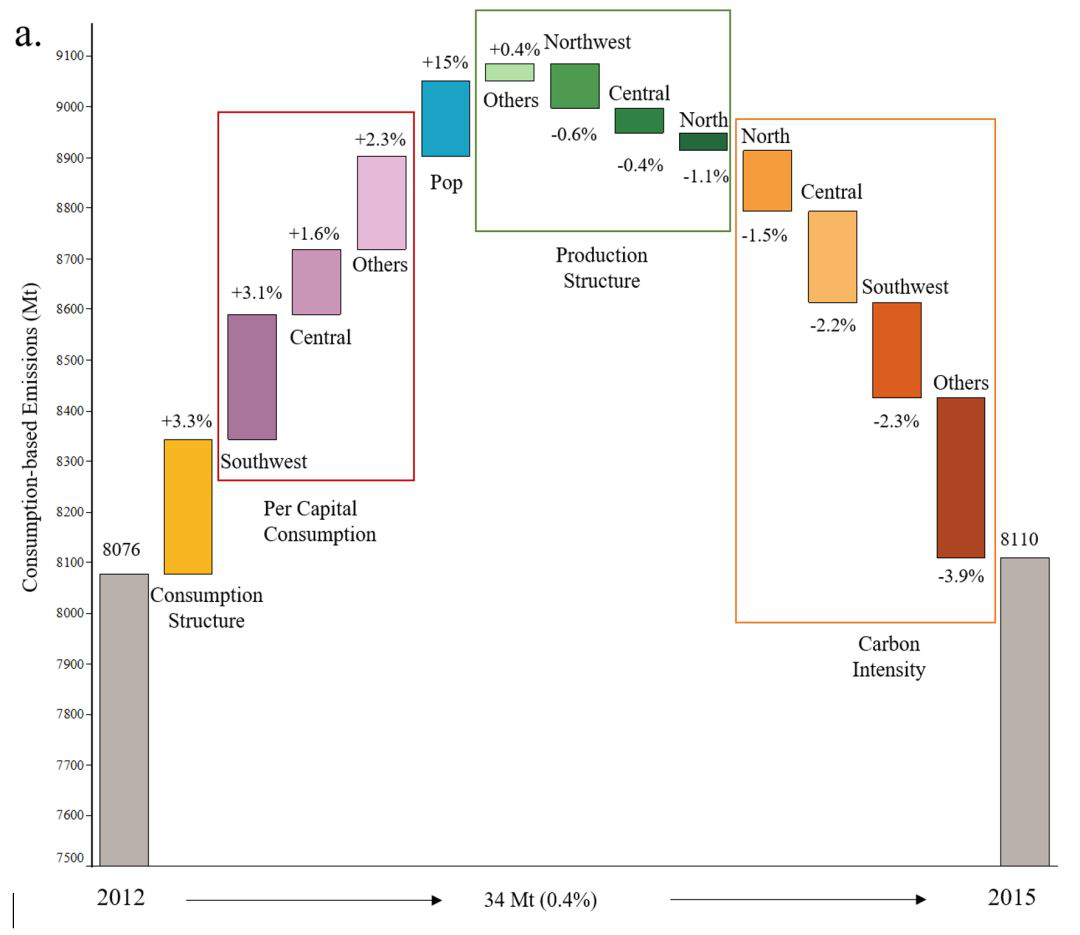
Regional determinants of China's consumption-based emissions in the economic transition
China has entered the economic transition in the post-financial crisis era, with unprecedented new features that significantly lead to a decline in its carbon emissions. However, regional disparity implies different trajectories in regional decarbonisation. Here, we construct multi-regional input-output tables (MRIO) for 2012 and 2015 and quantitatively evaluate the regional disparity in decarbonisation and the driving forces during 201...