
Multi-scale Climate Mitigation Pathways
-

CEADs Research: Life Cycle Assessment Shows That Replacing Coal Power with Fuel Cells Can Substantially
Research Background Fuel Cell Power Generation Technology China's installed coal-fired power capacity accounts for more than 50% of the global total, and in 2020 it contributed nearly 40% of the country's carbon dioxide emissions, 25% of sulfur dioxide emissions, and 5% of particulate matter emissions. To advance major sustainable development strategies such as carbon neutrality and Beautiful China, China urgently needs to vigorously de...
-

CEADs Research: Ageing in Developed Countries Challenges Carbon Mitigation
Research Background Population Ageing vs. Carbon Emissions Modern socioeconomic development has improved living standards and life expectancy through better material conditions and medical care. At the same time, society faces new challenges such as declining fertility and a shrinking share of young people, with ageing being especially prominent. As the postwar baby boom generation continues to age, the rising share of people aged 60 an...
-
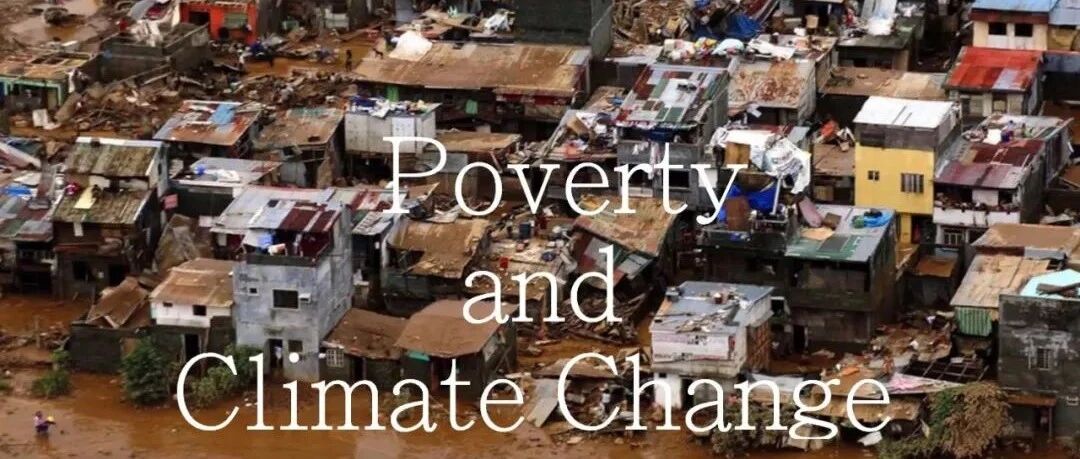
CEADs Study: Poverty Alleviation Promotes Equity in Global Climate Mitigation
Research Background Poverty vs. Climate Change Severe income disparity is one of the major challenges facing the world today. Alongside income inequality, the tens of billions of tonnes of carbon emissions produced globally each year are also distributed unequally. Emissions from high-income countries and high-consumption populations are far higher than those from poor populations. Although governments have adopted diverse policy measur...
-

CEADs Team Develops Inclusive Wealth Index to Assess the Current Status and Heterogeneity of Sustainabl
In 2015, the United Nations Sustainable Development Summit released the 2030 Agenda and established 17 Sustainable Development Goals to guide global development work from 2015 to 2030. China has made sustainable development a basic national policy and has been comprehensively implementing the 2030 Agenda. In the process of sustainable development, in addition to top-level design at the national level, assessment research and policymakin...
-
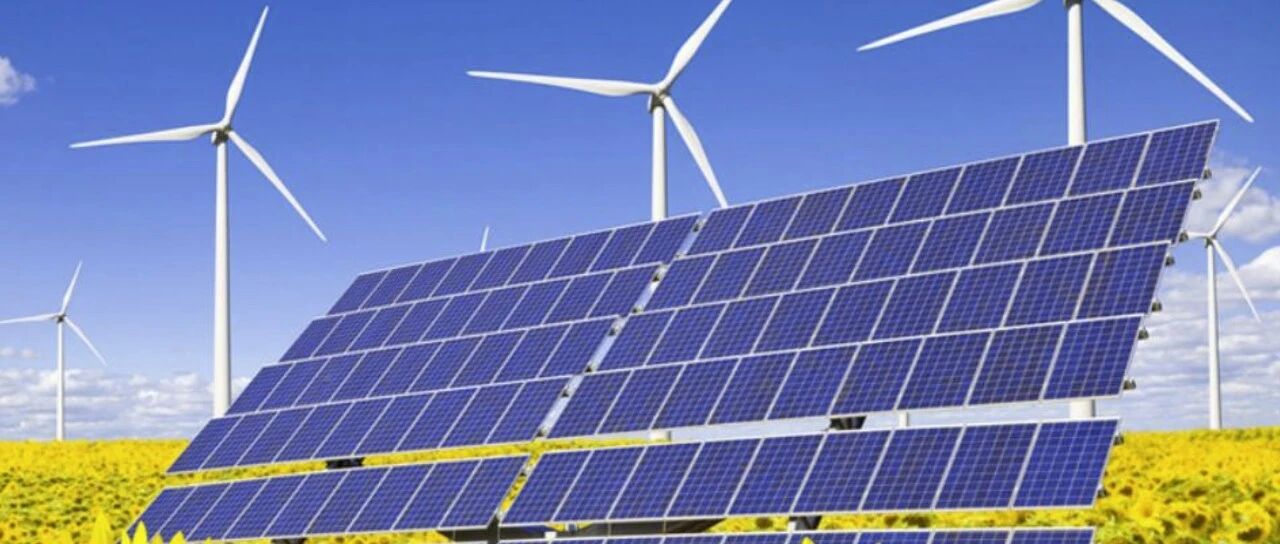
CEADs Study: Innovation and Cost Accounting for Low-Carbon Energy Technologies under Carbon Neutrality
Research Highlights To address the important scientific question of how to reasonably predict innovation and costs for low-carbon energy technologies, Dr. Jing Meng of University College London, together with colleagues from the University of Cambridge, the University of Oxford, and the Euro-Mediterranean Center on Climate Change, published the paper “Comparing expert elicitation and model-based probabilistic technology cost forecasts...
-

Can Lifestyle Changes during the COVID-19 Pandemic Reduce Residents' Carbon Footprints?
Research Background Since early 2020, the coronavirus disease 2019 (COVID-19) pandemic has spread worldwide, disrupting normal production and daily life and forcing billions of people to change how they live, work, and socialize in a short time. Countries adopted different responses to COVID-19, with common measures including working from home, reducing or even suspending economic activity in some sectors such as services, and restricti...
-
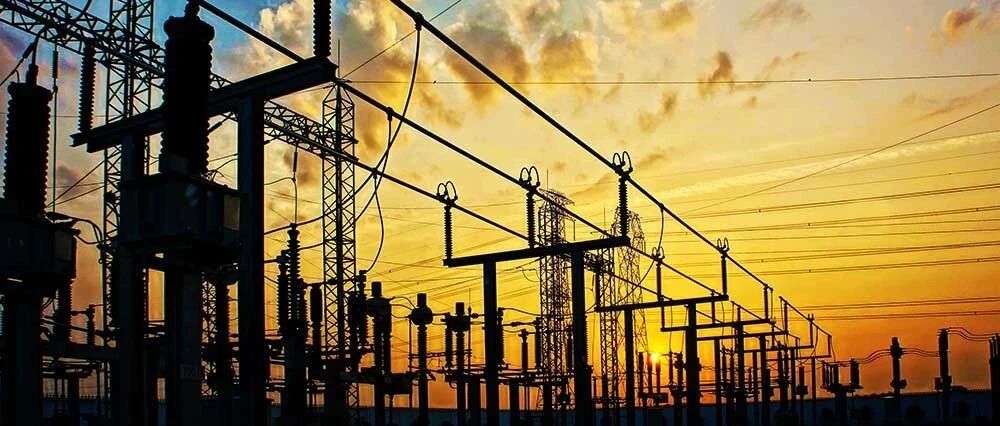
CEADs Research: An Analysis of the Drivers of Changes in Energy Consumption in Developing Countries
Background Energy is an indispensable part of economic development and a major source of greenhouse gas emissions. How to achieve sustainable energy development, mitigate climate change, and promote economic growth is a major challenge facing all countries in the future. At the same time, developed countries have a clearer path for energy transition than developing countries, while the path for developing countries remains insufficientl...
-

CEADs Study: Decoupling Analysis of Urban Carbon Emissions and Economic Growth
With the growth of urban economies and populations, cities have become core units for carbon emission reduction and climate action. Traditional economic growth and energy consumption, as well as carbon emissions, often change in a coupled way. How to reduce carbon emissions without hindering economic development, that is, how to achieve decoupling between the economy and emissions, is an urgent issue for cities. Some relatively develope...
-

CEADs Research: Impacts of COVID-19 and Fiscal Stimuli on Global Emissions and the Paris Agreement
To respond to the global COVID-19 pandemic, countries adopted lockdown strategies to slow the spread of the virus. The decline in industrial production and economic activity reduced global carbon dioxide emissions to some extent. To mitigate the impact of lockdown policies on economic activity, countries have successively introduced stimulus policies to revive their economies. Under the dual influence of pandemic lockdown strategies and...
-

CEADs research: Clean retrofits at coal-fired power plants in China delivered significant mercury reduc
Mercury is a highly toxic heavy metal that can bioaccumulate through the food chain and ultimately enter the human body, causing serious harm to the nervous system (for example, lower intelligence quotient) and the cardiovascular system (for example, sudden cardiac death). In October 2013, the international community adopted the legally binding Minamata Convention on Mercury in Kumamoto, Japan. The convention explicitly identifies coal-...