
Climate Risk Assessment and Adaptation
-
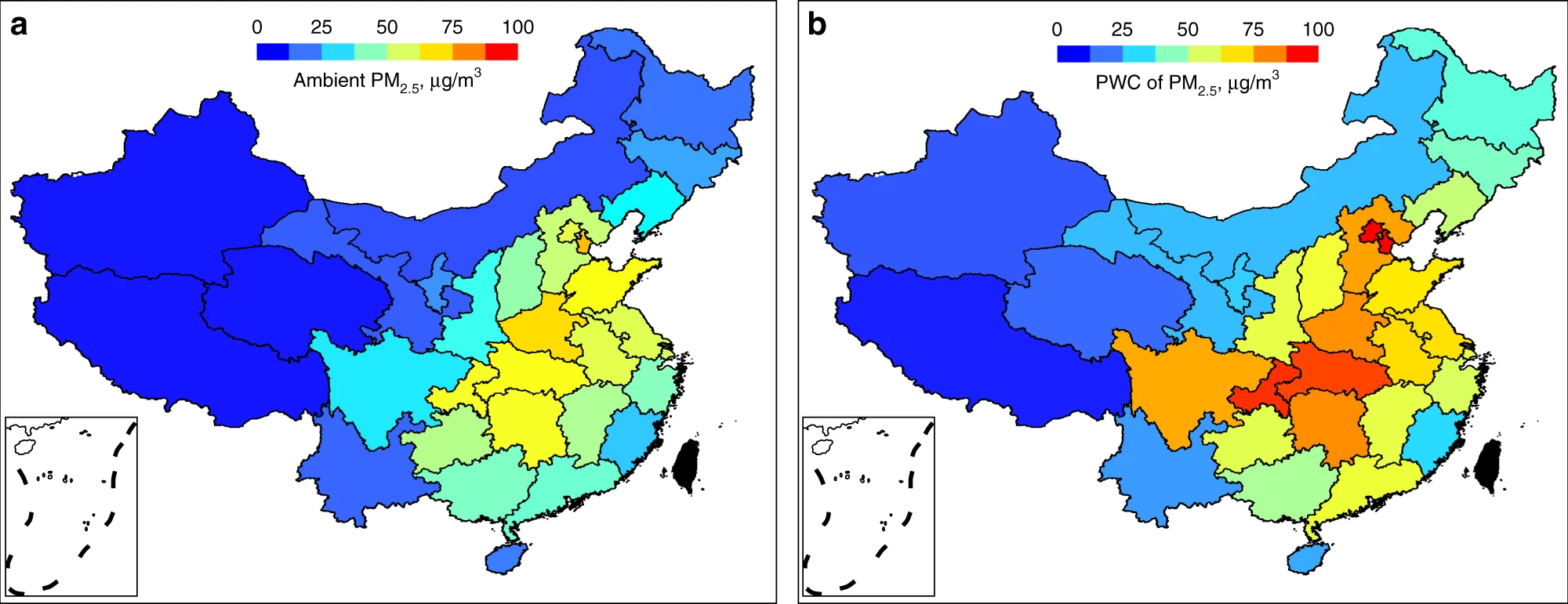
Impacts of air pollutants from rural Chinese households under the rapid residential energy transition
Rural residential energy consumption in China is experiencing a rapid transition towards clean energy, nevertheless, solid fuel combustion remains an important emission source. Here we quantitatively evaluate the contribution of rural residential emissions to PM 2.5 (particulate matter with an aerodynamic diameter less than 2.5 μm) and the impacts on health and climate. The clean energy transitions result in remarkable reductions in th...
-
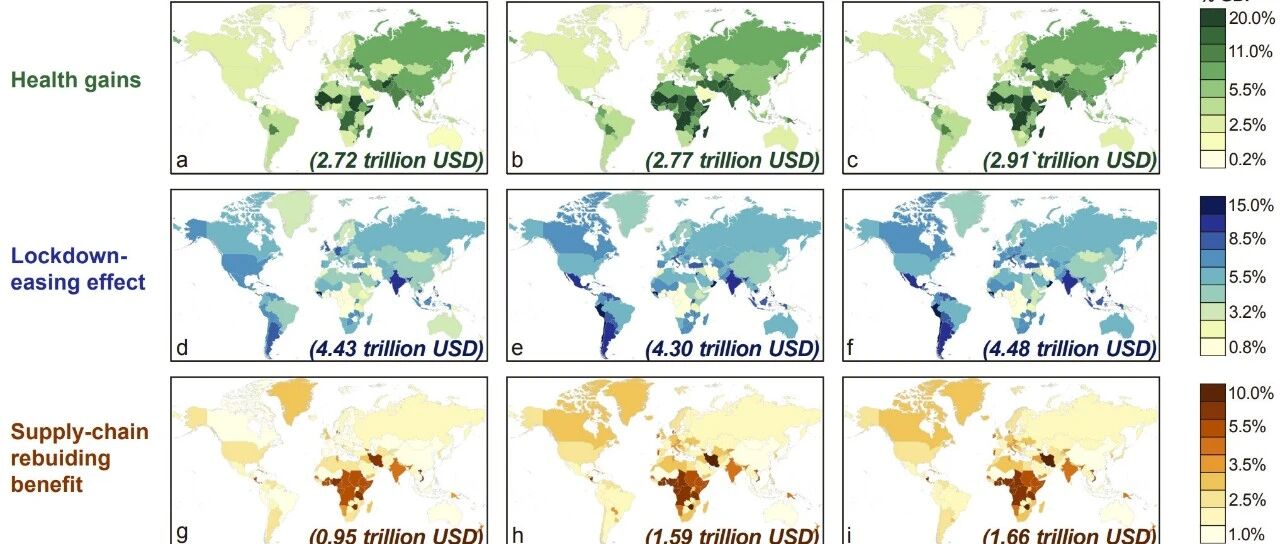
An International Supply-Chain Benefit-Sharing Mechanism for Promoting Global Equitable Vaccine Distribu
A fairer global distribution of vaccines not only protects more lives, but also helps reduce worldwide economic losses. Achieving that goal requires an international supply-chain benefit-sharing mechanism that incentivizes vaccine-producing countries to share vaccines early in a pandemic. The COVID-19 pandemic exposed severe inequities in vaccine distribution, with many low-income countries reaching vaccination coverage of only about 10...
-

CEADs Study: Global Energy Price Crisis Intensifies Household Living Burden
Research Background Since the onset of the COVID-19 pandemic, global energy markets have remained tight. After the war between Russia and Ukraine broke out in February 2022, the global energy crisis intensified under the combined effects of escalating geopolitical tensions, the rapid post-pandemic rebound in the world economy, and imbalances between energy supply and demand. Russia is a major exporter of oil and gas. Because many Europe...
-

Economic Impact Assessment of Major Compound Extreme Events of "Natural Disaster-Public Health": A Case
Research Background Risk from Extreme Weather Events As the climate system continues to warm and the COVID-19 pandemic persists, the probability that extreme climate events and public health emergencies occur simultaneously or in succession has increased significantly. For example, the epidemic spread that followed the 2021 Zhengzhou torrential rain and flood event posed a major challenge to China’s urban disaster-risk prevention and ...
-
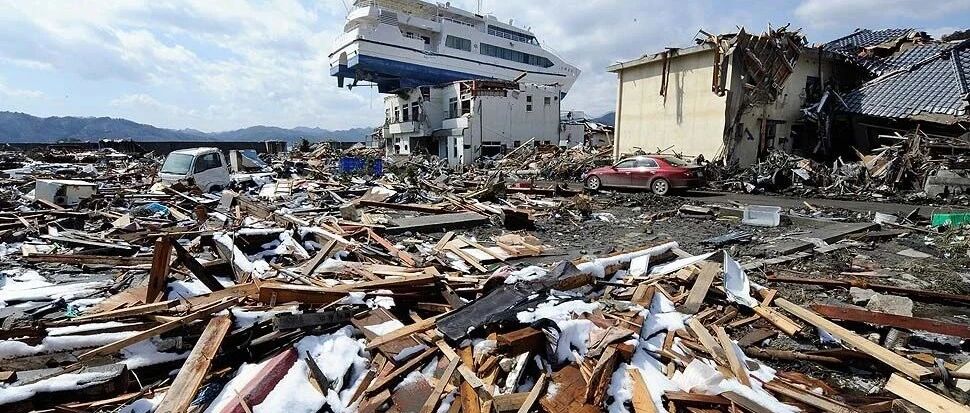
CEADs Study: How Did the Financial Crisis and the Great East Japan Earthquake Affect Regional Carbon Em
Research Introduction To investigate the dual impact of the financial crisis (a major economic event) and the Great East Japan Earthquake (a major natural event) on the Japanese regional economy and carbon emissions, this study focuses on changes in national and regional carbon emission patterns and their driving factors across Japans main economic sectors from 2007 to 2015. The results show that after the earthquake in 2011, because co...
-

CEADs Research: Global Ageing and the Health-Related Economic Losses from Air Pollution
Recently, Dr. Hao Yin from the CEADs team led a study published in The Lancet Planetary Health titled "Population ageing and deaths attributable to ambient PM2.5 pollution: a global analysis of economic cost." The study was jointly conducted by Tsinghua University, the University of British Columbia, the University of California, Berkeley, Duke University, the Norwegian University of Life Sciences, Yale University, University College Lo...
-
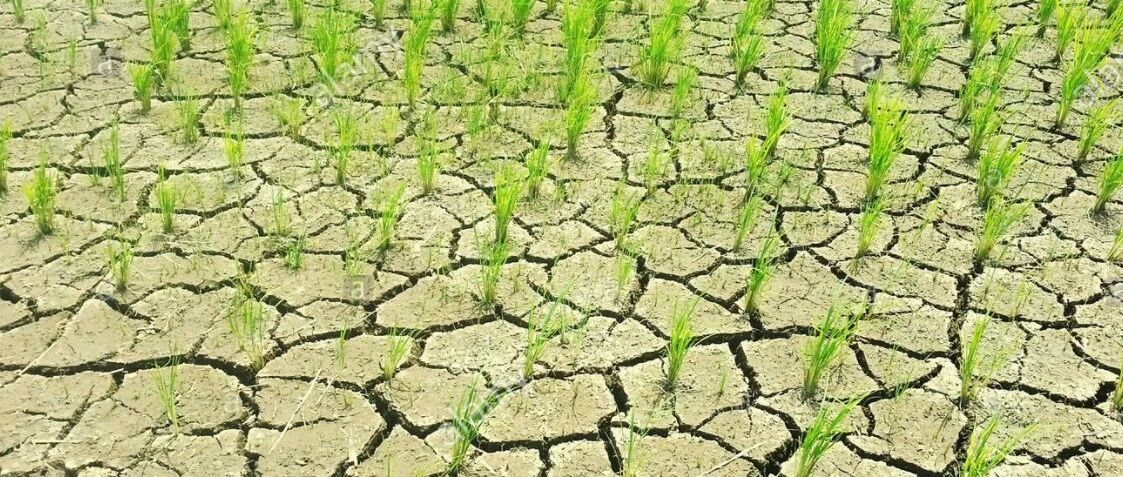
CEADs Research: Impacts of Climate Change on Staple Crop Yields and Socioeconomics
Research Background As two of the world's most important staple crops, rice and wheat are not only major sources of calories in daily life, but also important industrial raw materials. Yet rice and wheat production is highly sensitive to climate conditions. Under climate change, how will changes in temperature and precipitation affect their yields? How will yield changes further affect staple food prices and social welfare through the e...
-
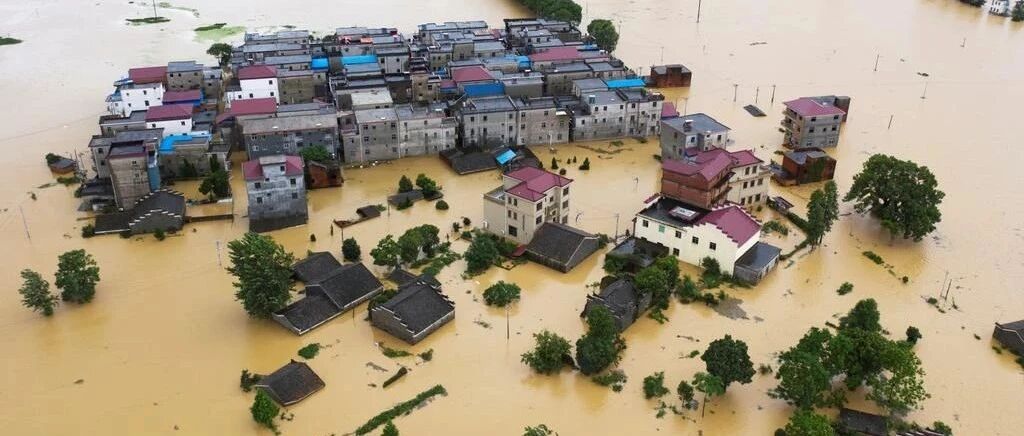
CEADs Research: Integrated Assessment of Disaster Footprint - Economic Impacts of Extreme Floods on Dev
Research Background Floods are among the most common natural disasters, causing the largest number of people affected and the greatest economic losses. According to the Emergency Events Database (EM-DAT), floods caused more than 3.8 billion person-times of exposure worldwide between 1960 and 2020, accounting for about 47% of all people affected by natural disasters in that period, and economic losses of about USD 878 billion, or about 2...
-
CEADs Collaboration: China's air quality improved by 34% overall from 2013 to 2019 thanks to pollution
Research Background Fine particulate matter (PM2.5) is the air pollutant that poses the greatest threat to the health of Chinese residents. To address PM2.5 pollution and improve air quality, China issued the Air Pollution Prevention and Control Action Plan in 2013 (the "Atmosphere Ten Measures"), which set pollution control targets for the nation and key regions and was followed by a series of emission control measures, such as ultra-l...
-
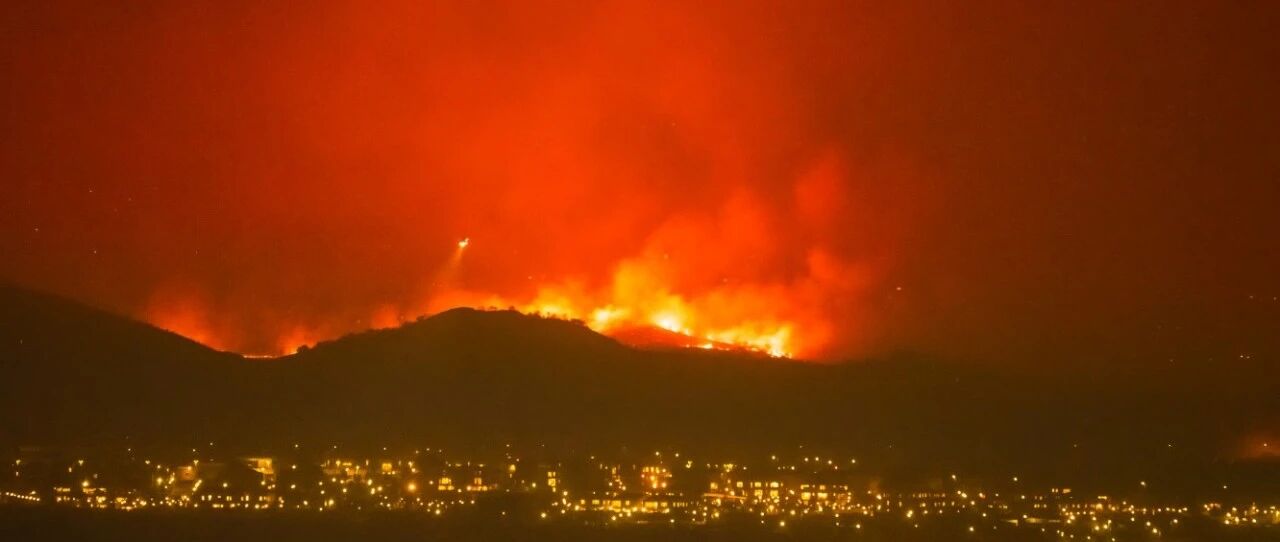
CEADs Study: The Disaster Footprint of California Wildfires
On December 7, the CEADs team published a research paper online in Nature Sustainability , titled “Economic footprint of California wildfires in 2018.” The paper develops a disaster-footprint model that couples a wildfire emissions inventory model, an atmospheric chemical transport model, an environmental benefit analysis system, and an economic assessment model. Using this framework, the authors systematically evaluate the disaster...