
[Admissions] Fully Funded PhD Position at the University of Groningen
The CEADs team is recruiting one PhD student for Fall 2020 entry at the University of Groningen. The research topic is Accounting and Modeling Carbon Flows and Stocks in Global Economy. The supervisors are Professor Klaus Hubacek and Dr. Yuli Shan. The University of Groningen provides a full scholarship, including a living allowance of approximately EUR 2,500 per month before tax, a holiday allowance equal to 8% of annual income, and a year-end bonus equal to 8.3% of annual income.

(City of Groningen; image will be removed upon request)
Application Requirements and Materials
Requirements
A master degree in economics, ecology, environmental science, or a related field.
Research experience in methods such as carbon accounting, input-output analysis, and global value chain modeling.
Independent research capability and teamwork skills, with strong motivation, initiative, diligence, and willingness to learn.
Application Materials
Cover letter
Curriculum vitae
Research proposal aligned with the research direction
Bachelor and master degree certificates and transcripts
Proof of English proficiency, IELTS 6.5 or above
Two recommendation letters
Deadline
March 22, 23:59 Central European Time
For details, please contact Dr. Yuli Shan (y.shan@rug.nl) or Professor Klaus Hubacek (k.hubacek@rug.nl).
Supervisor Profiles
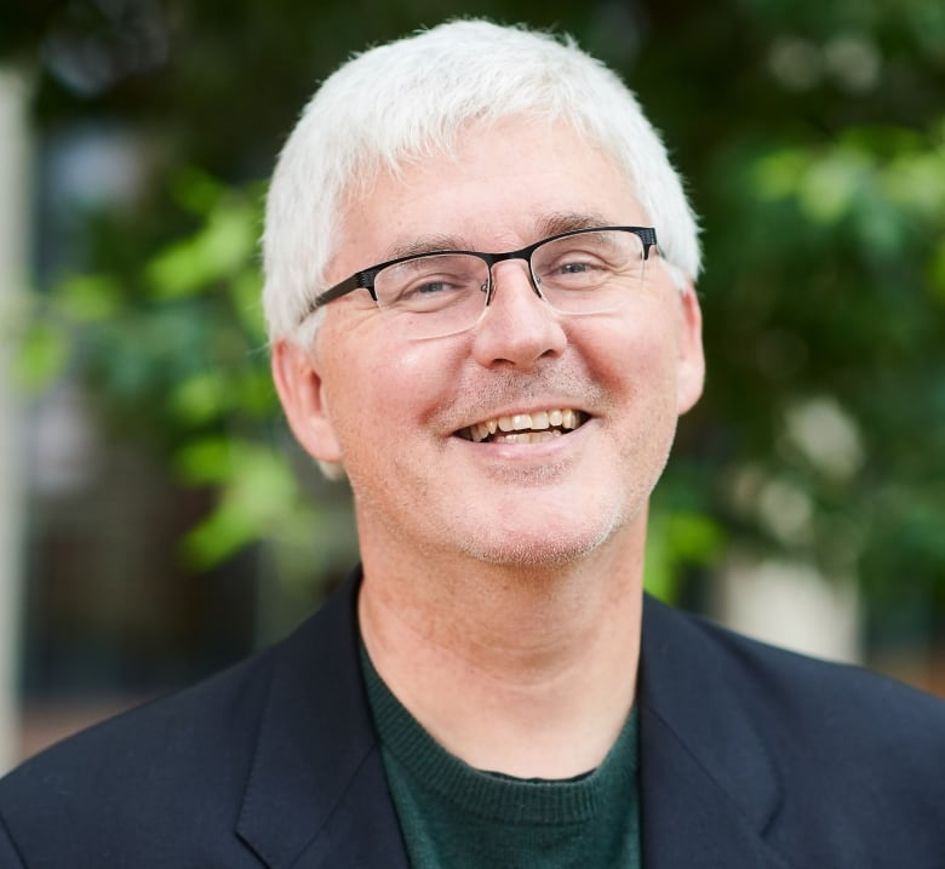
Professor Klaus Hubacek is a world-renowned ecological economist. He has previously worked at the University of Cambridge in the United Kingdom, the University of Leeds in the United Kingdom, and the University of Maryland in the United States. His research focuses on climate change, input-output analysis, ecosystem services, land-use change, and related topics. Professor Hubacek has published nearly 300 papers in leading international journals including Nature, Nature Climate Change, Science Advances, and PNAS. He also serves on the editorial boards of several international journals and is one of the lead authors of the IPCC Sixth Assessment Report. Professor Hubacek has led multiple major research projects and has served as an adviser or committee member for several organizations, including adviser to the Shanghai Climate Center, adviser to the German Federal Ministry of Education and Research project on sustainable land management, and council member of the International Input-Output Association.
https://www.rug.nl/staff/k.hubacek/
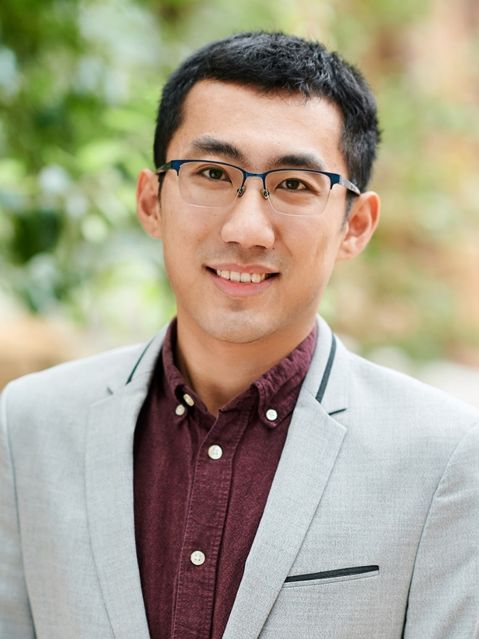
Dr. Yuli Shan is currently a faculty-appointed researcher at the University of Groningen and a contributing author to the IPCC Sixth Assessment Report. He has received more than ten academic honors, including Germany Green Talents Award and the Chinese Government Award for Outstanding Self-Financed Students Abroad. His research focuses on carbon emissions accounting and regional sustainable development. In recent years, he has published more than 50 papers in Science, Nature portfolio journals, and other leading international journals, including 9 ESI hot papers, 11 ESI highly cited papers, and 1 paper listed among China 100 Most Influential International Academic Papers. His work has been widely reported by media in China and abroad.
https://www.rug.nl/staff/y.shan/
About the University of Groningen
The University of Groningen was founded in 1614. It is one of the world top 100 universities and one of the oldest universities in Europe. Since its founding in the seventeenth century, the university has educated many outstanding scholars, including Nobel Prize in Physics laureate Frits Frederik Zernike, Nobel Prize in Chemistry laureate Bernard L. Feringa, and calculus pioneer Johann Bernoulli. It enjoys a strong reputation in academia, across Europe, and around the world.
Official website: www.rug.nl
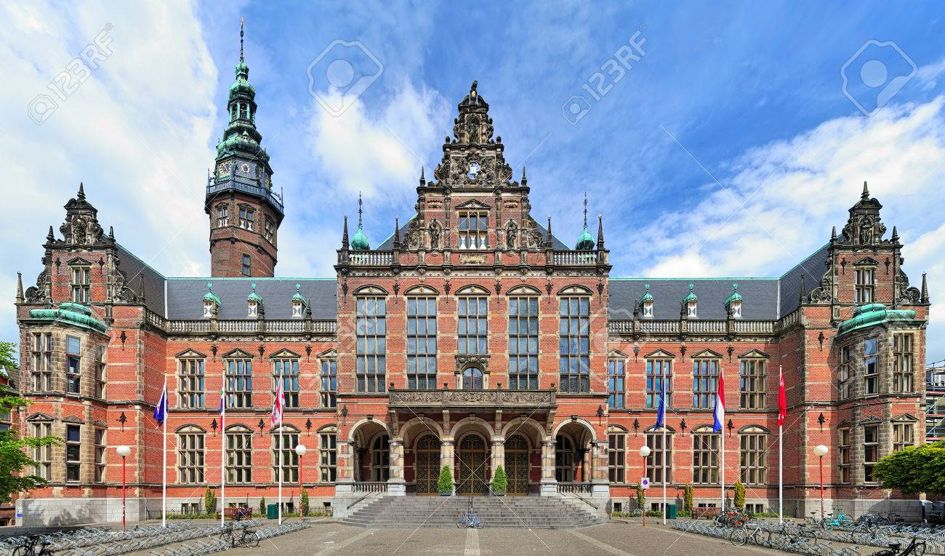
(Main teaching building of the University of Groningen; image will be removed upon request)

(City of Groningen; image will be removed upon request)
Tips on Research Proposal
1. Title of the proposal, your name, your nationality, your supervisors
2. Your main research questions
3. The journals (or other means of publication) in which you intend to publish your results
4. A description of the current debate in your field/state of the art: what are the latest developments in the field? How did they inform your research questions? Have you checked thoroughly that your research questions have not been investigated before?
5. Scientific impact: how will the field benefit from your research? Can the concepts you will develop be applied in other cases? What further research will be opened up by your findings?
6. Impact on society: how will society benefit from a deeper understanding of your topic?
7. Reasons for choosing the University of Groningen and your supervisors (be specific in terms of scientific context; reference to rankings/reputation alone is not enough)