
Cooperation | CEADs Team Visits the International Energy Agency in France
On May 7, 2024, He Kebin, Dean of the Institute for Carbon Neutrality at Tsinghua University, Guan Dabo, Vice Dean of the Institute, and Ke Bing, Deputy Director of the Administrative Center for China Agenda 21, visited the International Energy Agency (IEA). They met with GUEL Timur, Chief Energy Technology Officer and Head of the Energy Technology Policy Division at the IEA, for China-France cooperation exchanges. The two sides held in-depth discussions on jointly advancing the global carbon neutrality strategy and pragmatically promoting China-France cooperation, reaching broad consensus.
French representatives attending the meeting included FERNANDEZ PALES Araceli, Head of the Technology Innovation Unit at the IEA; REMME Uwe, Head of Hydrogen and Alternative Fuels; WIDELL Per Anders, Energy Analyst; BENNETT Simon, Energy Technology Analyst; Peter, Energy Analyst for industry; and DELMASTRO Chiara, Energy Analyst for buildings.
Chinese representatives attending the meeting included An Ni, Researcher at Zhejiang University; Tian Kailan, Associate Researcher at the Chinese Academy of Sciences; Li Jizhe, Postdoctoral Researcher in the Department of Earth System Science at Tsinghua University; doctoral student Chen Yuxin; and CEADs team members Professor Meng Jing, Assistant Professor Zheng Heran, and doctoral students Zhao Weichen and Xia Quanzhi.
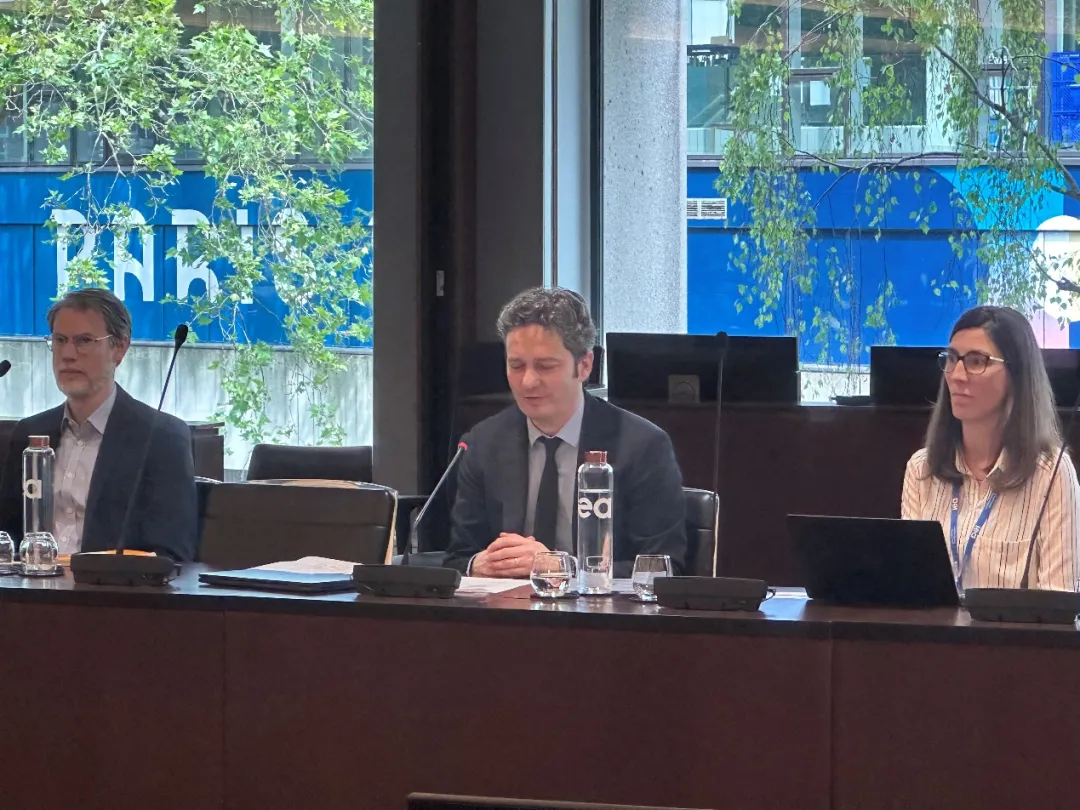
GUEL Timur gave a detailed introduction to IEA work on data collection, analysis, and tracking, and presented a series of energy-related reports released by the IEA in recent years. He noted that addressing climate change and achieving carbon neutrality goals are important issues for current international cooperation, and that China plays an important and key role in the global response to climate change. The IEA looks forward to maintaining close communication with the Institute for Carbon Neutrality at Tsinghua University on major issues such as global carbon neutrality and energy system transition, and to further deepening cooperation.
He Kebin introduced the development history of the Institute for Carbon Neutrality at Tsinghua University, its eight research centers, the key research directions of its teams, science communication brand activities, talent training, and other work. He also introduced the China-France Carbon Neutrality Center, which was established under the joint witness of the leaders of China and France. He said that the Institute for Carbon Neutrality at Tsinghua University is willing to maintain a positive and open attitude, jointly carry out scientific research with the IEA in areas such as international carbon neutrality organizations and CCUS, conduct in-depth exchanges and cooperation on report preparation, promote pragmatic outcomes in China-France cooperation, and make greater contributions to the global energy transition and the realization of carbon neutrality goals.
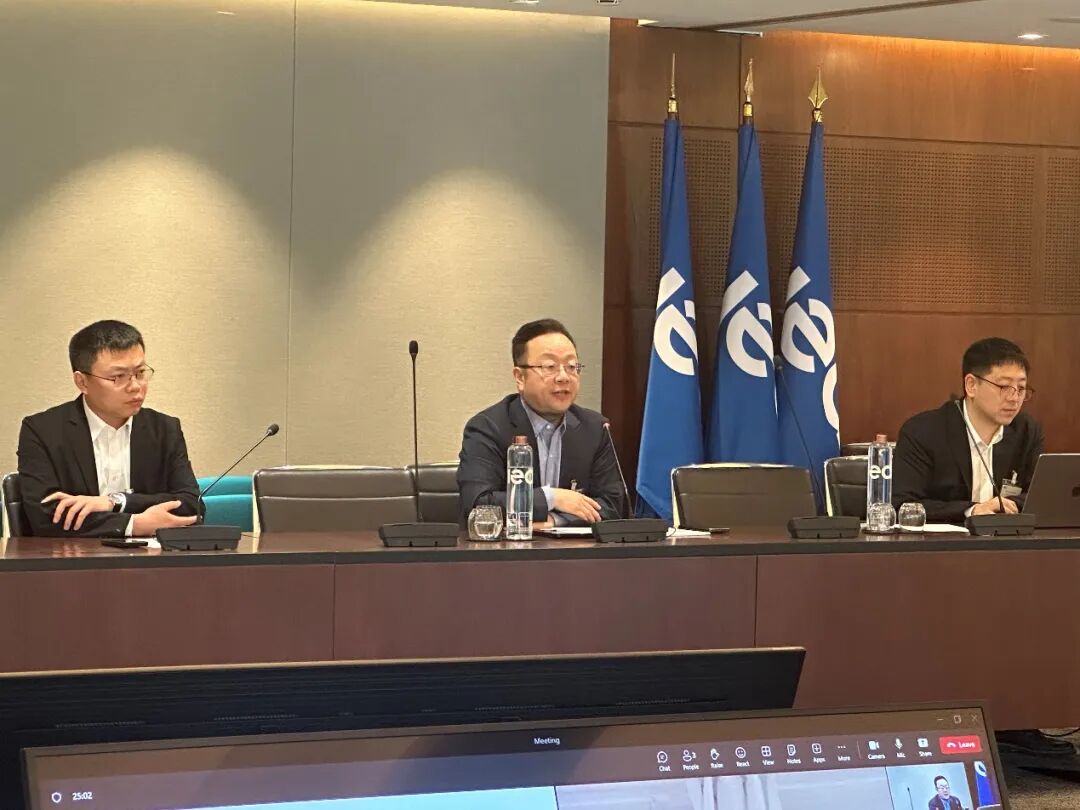
Guan Dabo introduced the work and core data products of the China Emission Accounts and Datasets (CEADs) team in recent years, covering multi-scale energy, CO2 emissions, and socioeconomic inventories for China and global developing economies; a power-sector carbon emissions database for key global industries; and a global input-output model. The team is committed to building an open, transparent, verifiable, comparable, and free carbon accounting database. He said that he hoped this research visit and meeting in France would serve as an opportunity to further deepen engagement with the IEA, explore comprehensive and multi-field cooperation, strengthen complementarity, and move forward together.
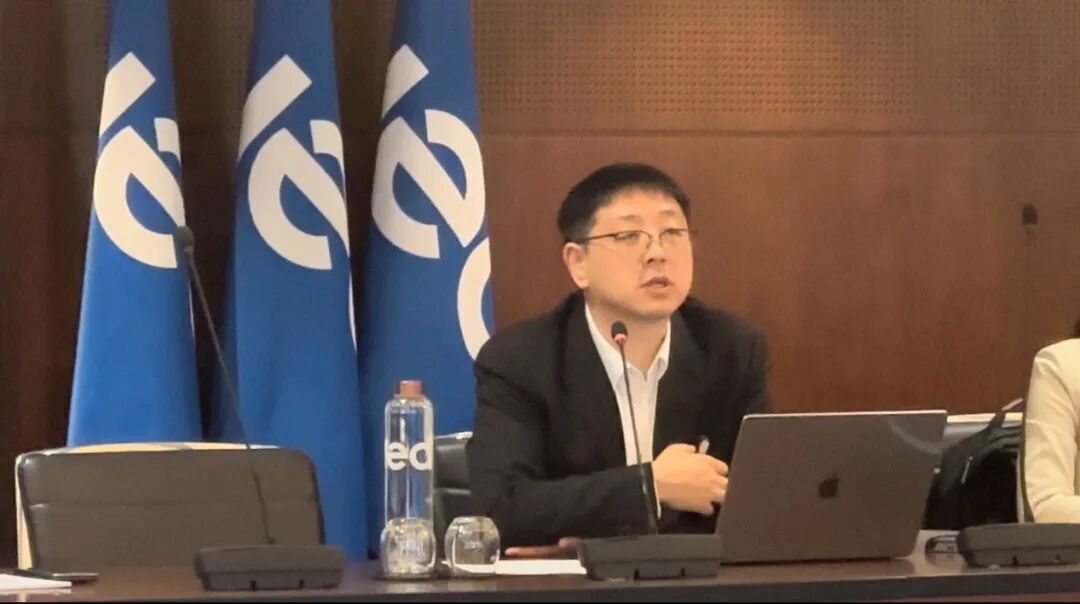
Zhang Xian spoke on behalf of the Administrative Center for China Agenda 21. He noted that achieving carbon neutrality requires countries to build zero-carbon energy systems dominated by non-fossil energy and to promote the decoupling of economic development from carbon emissions. Carbon capture, utilization and storage (CCUS) is an indispensable part of the technology portfolio for achieving carbon neutrality. The Administrative Center for China Agenda 21 previously co-published the report China Hydrogen Opportunity through CCUS with the IEA. In the future, it hopes to maintain closer communication with the IEA, strengthen cooperation in addressing climate change, deepen research on low-carbon technologies, and provide technical support for energy security and sustainable economic and social development.
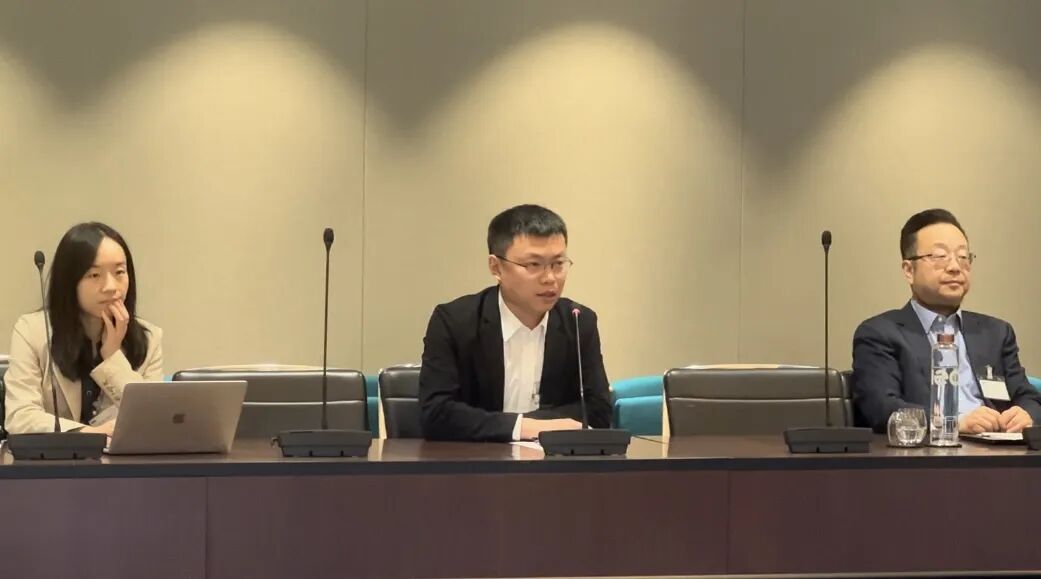
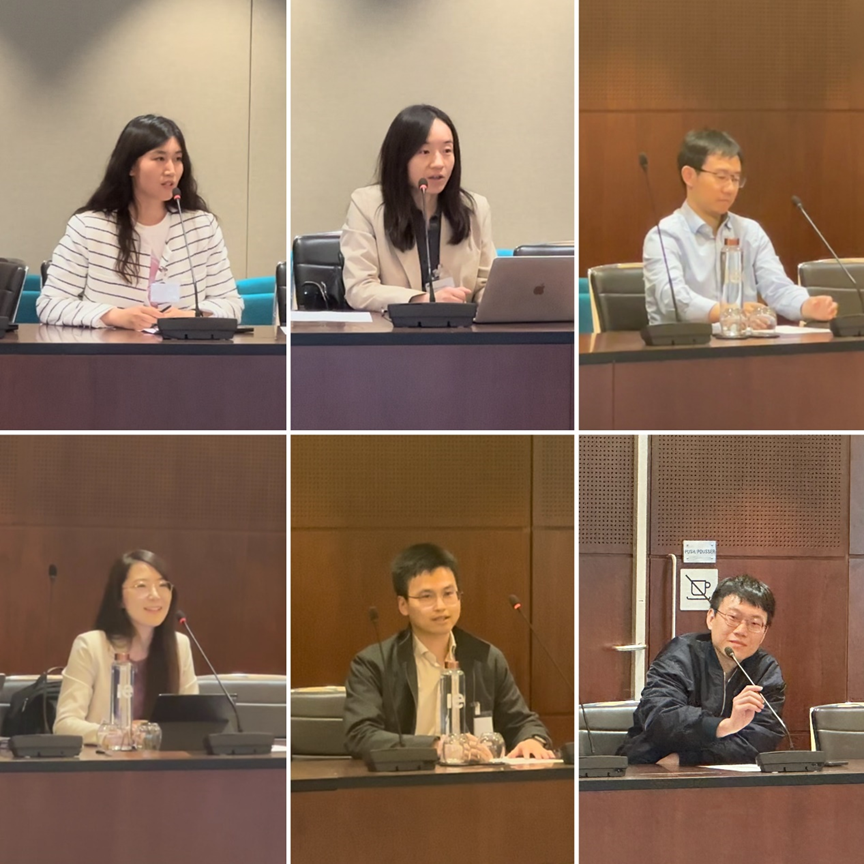
Members of the CEADs team then introduced their professional backgrounds and research interests and held full exchanges and discussions with the participating experts, opening a new chapter for further deepening future China-France scientific research cooperation and talent exchanges.
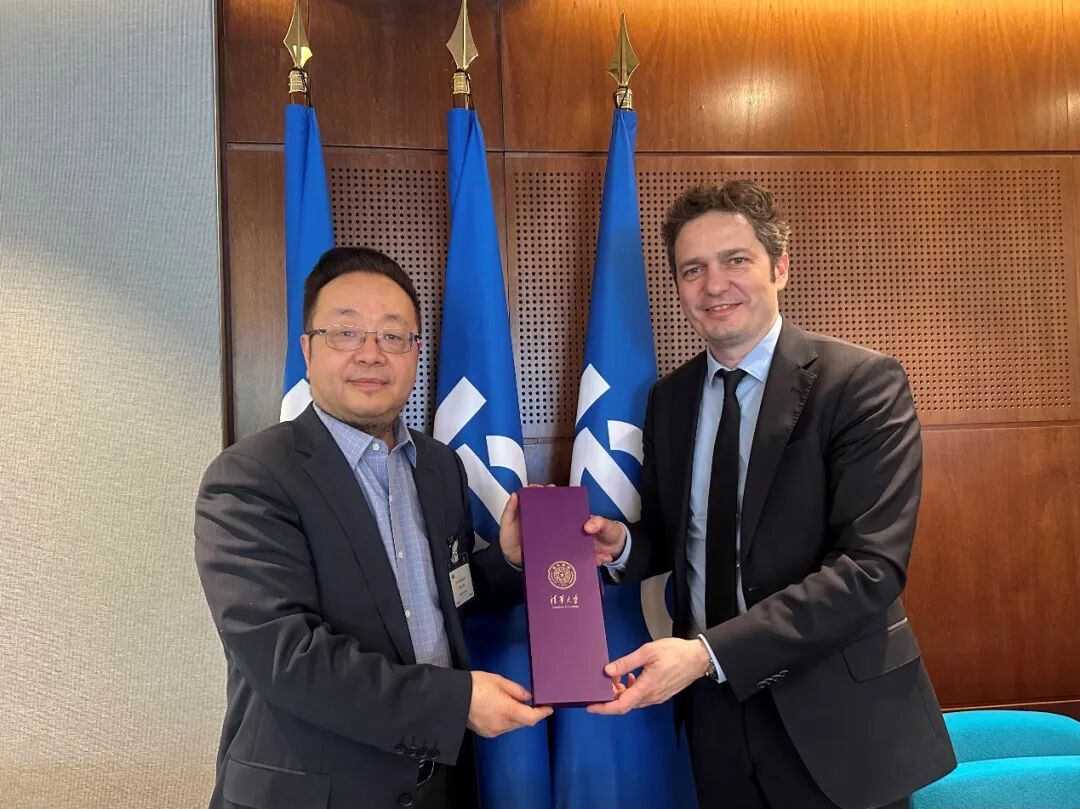
Both sides expressed expectations for strengthening communication and cooperation in the future, including academic conference exchanges, joint research and writing of technical reports, and carbon neutrality talent exchange and training. At the end of the meeting, the two sides exchanged gifts.
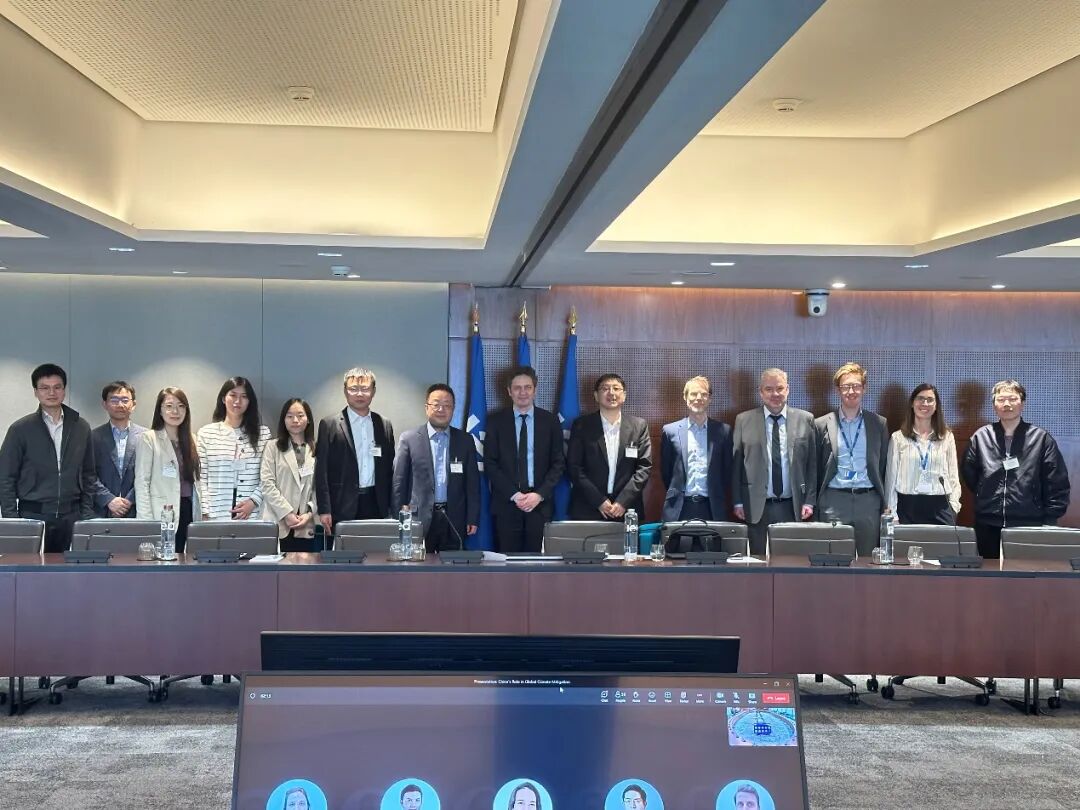
Group Photo of Participants
