The CEADs Team Cultivates Young Talent for China's Dual-Carbon Goals
Foreword
Since China proposed its carbon peaking and carbon neutrality goals, the CPC Central Committee and the State Council have attached great importance to the development of carbon accounting systems, calling for a unified and standardized carbon accounting framework. To support national work on carbon emissions statistics and accounting, and to comprehensively improve the quality of carbon accounting, the China Emission Accounts and Datasets (CEADs) team at Tsinghua University has drawn on support from the National Natural Science Foundation of China, international cooperation projects of the Ministry of Science and Technology, national key R&D programs, UK Research Councils, and other sources. Through data crowdsourcing, nearly one thousand Chinese and international scholars have worked together to collect, verify, and compile multi-scale carbon accounting inventories and socioeconomic and trade databases covering China and other developing economies.
The CEADs team is led by Professor Dabo Guan of Tsinghua University and brings together young scholars from more than ten research institutions in China and abroad. The team is committed to studying the causes, impacts, and responses to climate change, analyzing the drivers of greenhouse gas emissions, and exploring sustainable development pathways for countries around the world. Since its establishment in 2016, CEADs has received broad international recognition and has steadily increased its influence at home and abroad. As of July 2023, 505 English-language publications had mentioned or used the China Emission Accounts and Datasets (CEADs), involving research institutions from more than 20 countries and spanning fields including physics, engineering and technology, economics, and trade. CEADs now ranks among the four most influential global carbon emissions databases. A further 1,403 Chinese-language publications have mentioned or used CEADs.
Over the years, the team has encouraged interdisciplinary collaboration and supported scholars in independently choosing research directions in the dual-carbon field, conducting innovative research, and accelerating the growth of young scientific and technological talent. The goal is to cultivate a group of young researchers with a global outlook and a firm grounding at the frontiers of science and technology, building a talent reserve and contributing to China's dual-carbon goals. Recently, a new group of outstanding academic backbone members has emerged from the CEADs team, continuing to advance research in climate-related interdisciplinary integrated assessment models, emissions reduction and adaptation simulations, carbon emissions accounting for developing countries, and other areas.
Member Profiles (in alphabetical order by surname pinyin)
Cui Can
ETH Zurich
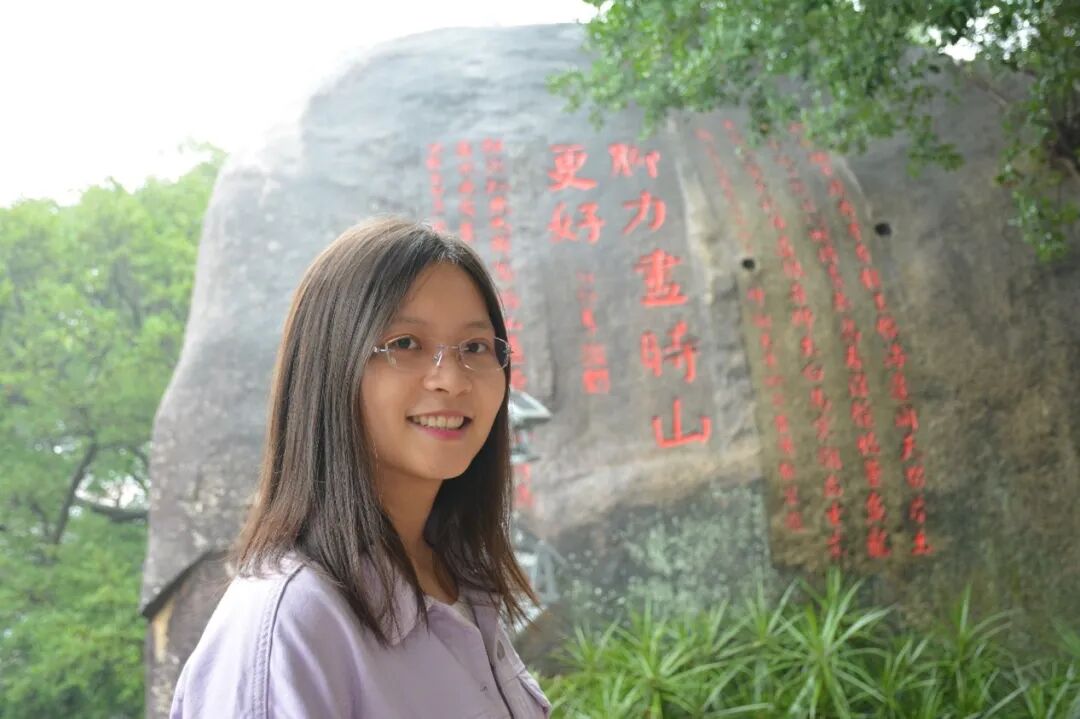
Cui Can was recently appointed as a postdoctoral researcher at the Reliability and Risk Engineering Laboratory of ETH Zurich. She received her bachelor's degree from Wuhan University and her PhD from Tsinghua University. Her work focuses on climate change mitigation and adaptation, including carbon-neutral energy system simulation, carbon emissions accounting for developing countries, urban carbon emissions, and sustainable development. She focuses on pathways to carbon-neutral energy systems and supply-chain optimization, aiming to provide research support for carbon neutrality decision-making. Her research has been published in leading journals including National Science Review and Earth System Science Data.
Cheng Danyang
Academic Editor

Cheng Danyang holds a PhD in ecology from Tsinghua University. During her doctoral studies, she worked on interdisciplinary research into sustainable development pathways under climate change and published several high-impact SCI papers. In July 2023, she joined Nature Climate Change as an editor, where she handles manuscripts related to low-carbon technologies and emissions reduction pathways, climate adaptation strategies, climate cognition, and related topics.
Chen Yan
Tenured Lecturer at University College London
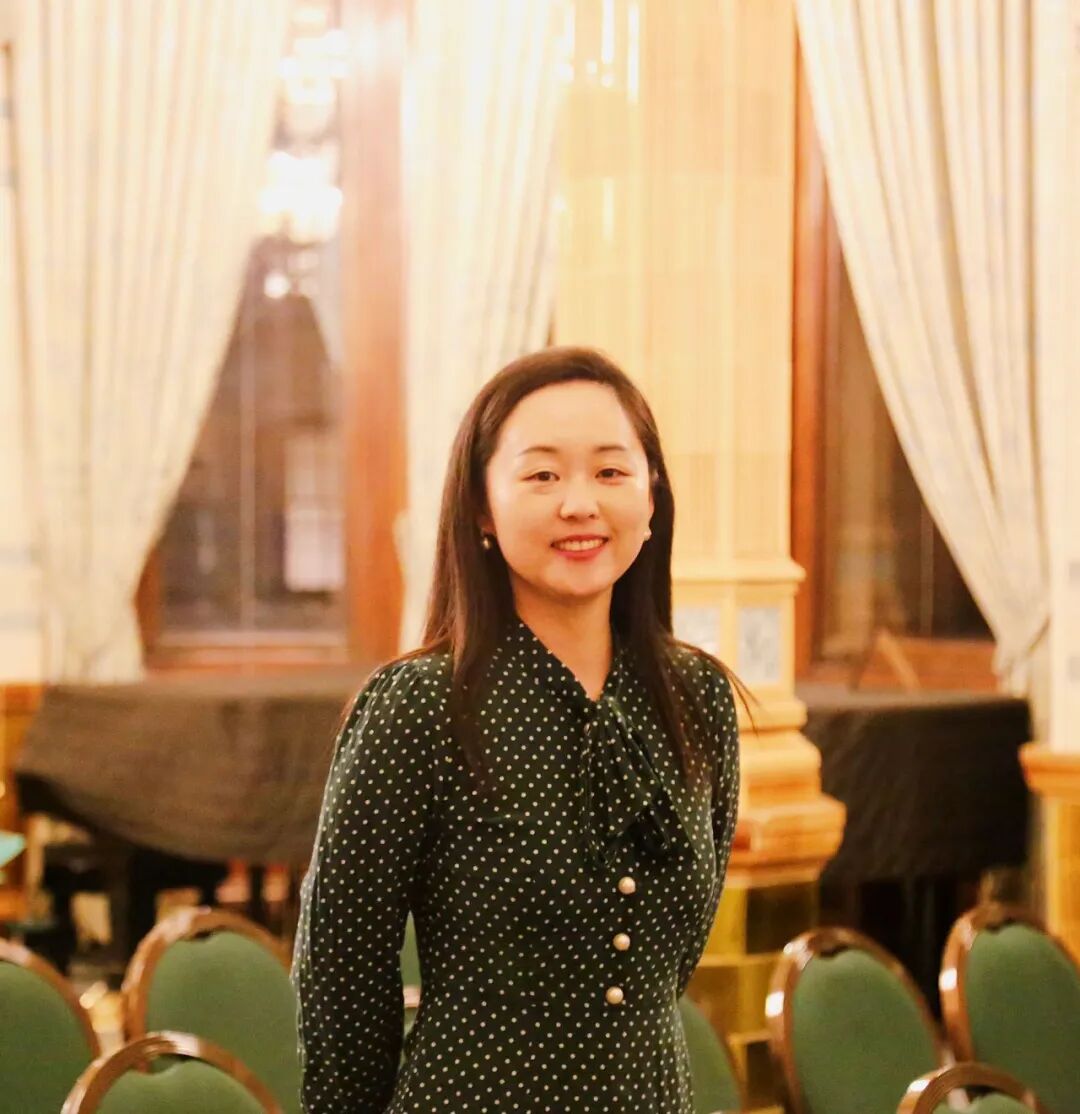
Chen Yan was recently appointed to a tenured lecturer position at University College London. She earned two master's degrees and a PhD from UCL. During her doctoral studies, she received a full scholarship from The Bartlett. She also served as a teaching assistant for six modules, gaining extensive teaching experience. She completed a short course at Harvard University and received a certificate from the Harvard T.H. Chan School of Public Health. Her main research area is sustainable development in the sharing economy, with a particular focus on sustainable transportation and the carbon footprints of public transport modes such as shared bicycles, buses, and subways. Her papers have been published in Cities, Journal of Transport & Health, Journal of Travel Behavior and Society, Sustainable Cities and Society, and other journals.
Meng Jing
Tenured Professor at University College London
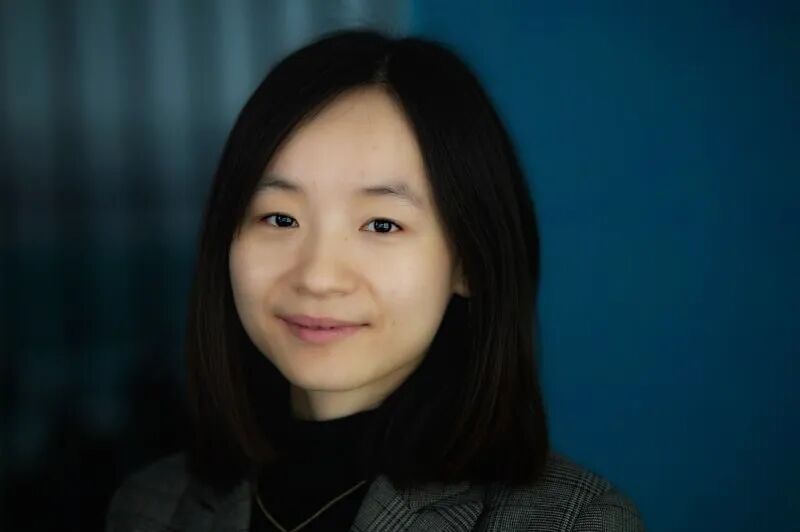
In June 2023, Meng Jing was promoted to full tenured professor at University College London (UCL), becoming the youngest tenured female full professor in UCL history. She was also recently selected for the 2023 Early Career Award in Global Environmental Change from the American Geophysical Union (AGU). Dr. Meng received her PhD in environmental geography from Peking University in 2016. She has long been engaged in interdisciplinary research, including climate change mitigation policy, integrated assessment models driven by low-carbon technological innovation, and the socioeconomic impacts of coordinated emissions reductions. Over the past five years, Dr. Meng has published more than 50 papers as first author or corresponding author, including co-corresponding author papers, in leading journals such as PNAS, Nature Energy, Nature Climate Change, Nature Geoscience, Nature Communications, Nature Sustainability, and One Earth. She was named a Clarivate Highly Cited Researcher in the cross-field category for three consecutive years from 2020 to 2022. Her honors include MIT Technology Review Innovators Under 35 Asia Pacific in 2022, the Future Sustainability Leader Award in 2020, the Nature Communications Top 50 Earth and Planetary Sciences Papers Award in 2018, and the Environmental Research Letters Best Early Career Researcher Paper Award in 2017.
Dr. Meng's personal homepage: https://www.ucl.ac.uk/bartlett/construction/people/dr-jing-meng
Tan Chang
Department of Earth System Science, Tsinghua University
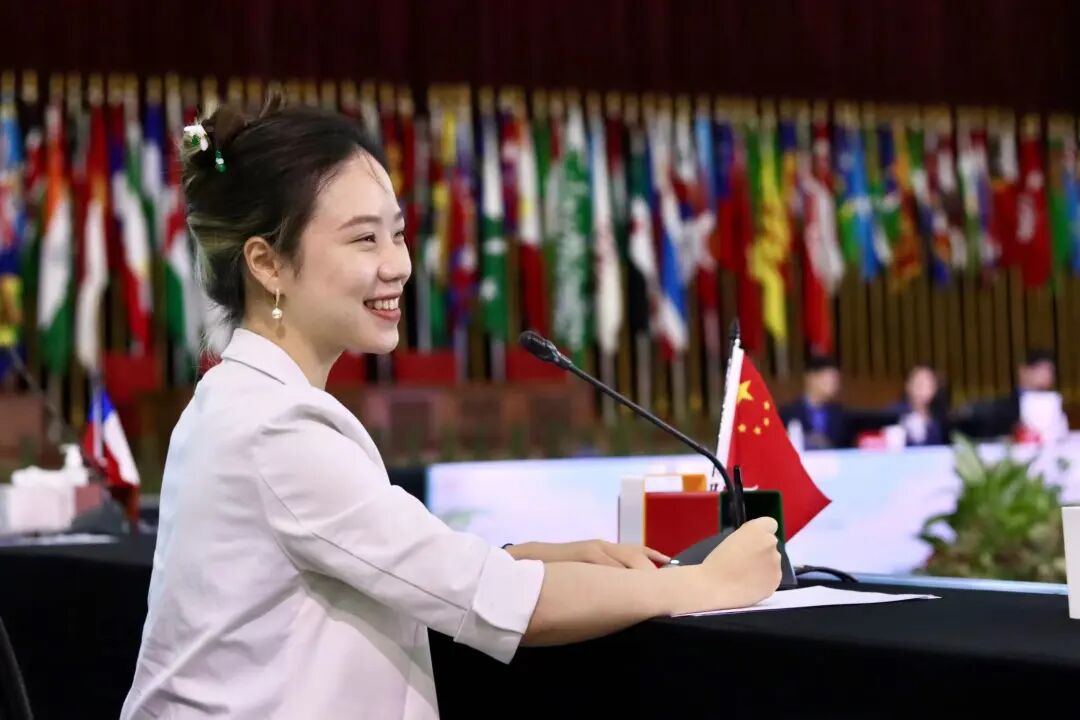
Tan Chang is a doctoral student in the Department of Earth System Science at Tsinghua University. Her research mainly covers net-zero carbon emissions mitigation pathways for global industrial technologies. She is committed to improving data transparency and promoting cooperation among research institutions, non-governmental organizations, and international organizations to support the sustainable transformation of global supply chains. She will be dispatched to the Energy Technology Policy (ETP) division of the International Energy Agency (IEA) for an internship, where she will work on model development for the low-carbon transition of the global industrial sector.
Zhang Zengkai
Professor, College of the Environment and Ecology, Xiamen University
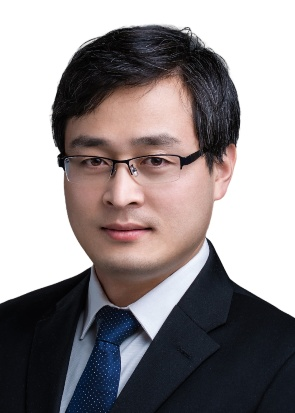
Zhang Zengkai is a professor and doctoral supervisor at the College of the Environment and Ecology, Xiamen University. He received his PhD in management from Xi'an Jiaotong University in 2015, and his doctoral dissertation was selected as an outstanding doctoral dissertation of Shaanxi Province. His main research areas include energy and environmental policy analysis and evaluation, global industrial division of labor, and climate change. His research has been published in Nature Climate Change, Nature Communications, One Earth, Ecological Economics, Energy Economics, and other journals. He has received honors including Young Top Talent in Professional and Technical Fields from the Ministry of Ecology and Environment, High-Level Talent of Fujian Province, and the First Prize of the Science and Technology Award of Shaanxi Higher Education Institutions.