
CEADs Team Wins Outstanding Case Award for Carbon Neutrality Technology Innovation under the Belt and Road Initiative
The CEADs team participated in the Second Belt and Road Conference on Science and Technology Exchange
-- The "CO2 Emissions Database for Emerging Economies"
won an Outstanding Case Award for Carbon Neutrality Technology Innovation under the Belt and Road Initiative
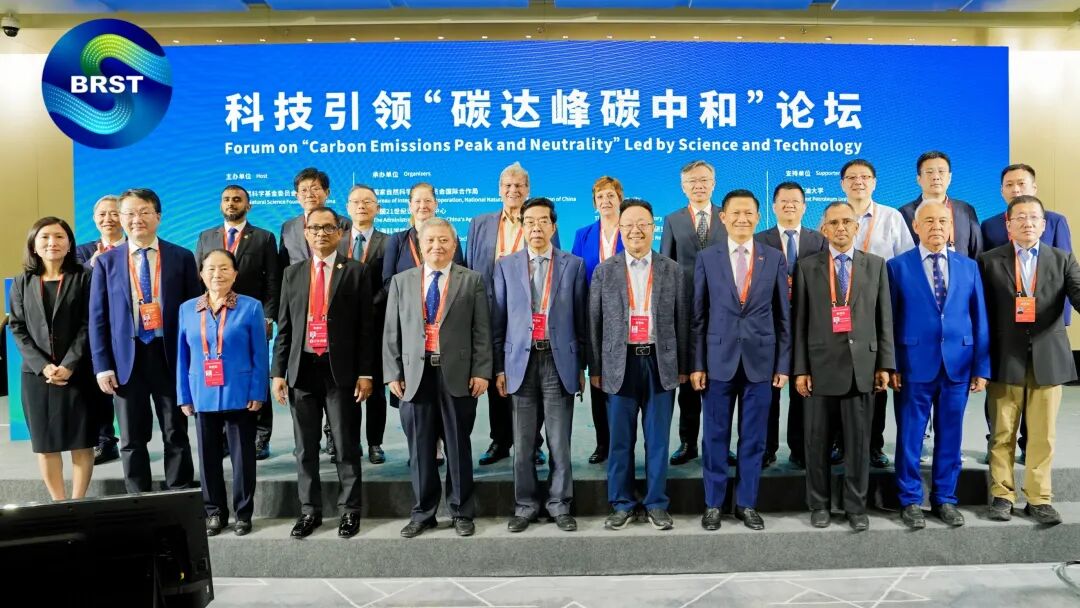
On June 12, 2025, the Carbon Peak and Carbon Neutrality Forum of the Second Belt and Road Conference on Science and Technology Exchange was successfully held. The forum was hosted by the National Natural Science Foundation of China and jointly organized by the Bureau of International Cooperation of the National Natural Science Foundation of China, the Administrative Centre for China Agenda 21, the Shanghai Science and Technology Exchange Center, the Tianfu Yongxing Laboratory of Sichuan University, and the Tsinghua Sichuan Energy Internet Research Institute.
He Kebin, Academician of the Chinese Academy of Engineering and Dean of the Institute for Carbon Neutrality at Tsinghua University, delivered a keynote report titled "Prospects for China Carbon Neutrality Technology Roadmap." The China Carbon Accounting Database team at Tsinghua University received the Outstanding Case Award for Carbon Neutrality Technology Innovation under the Belt and Road Initiative. Guan Dabo, Vice Dean of the Institute for Carbon Neutrality at Tsinghua University and Chair Professor of Basic Sciences at Tsinghua University, shared an international cooperation case on carbon emissions and carbon neutrality transition pathways for Belt and Road countries. Professor Kang Chongqing, Head of the Department of Electrical Engineering at Tsinghua University and President of the Tsinghua Sichuan Energy Internet Research Institute, and Professor Jing Meng of University College London attended the roundtable forum.
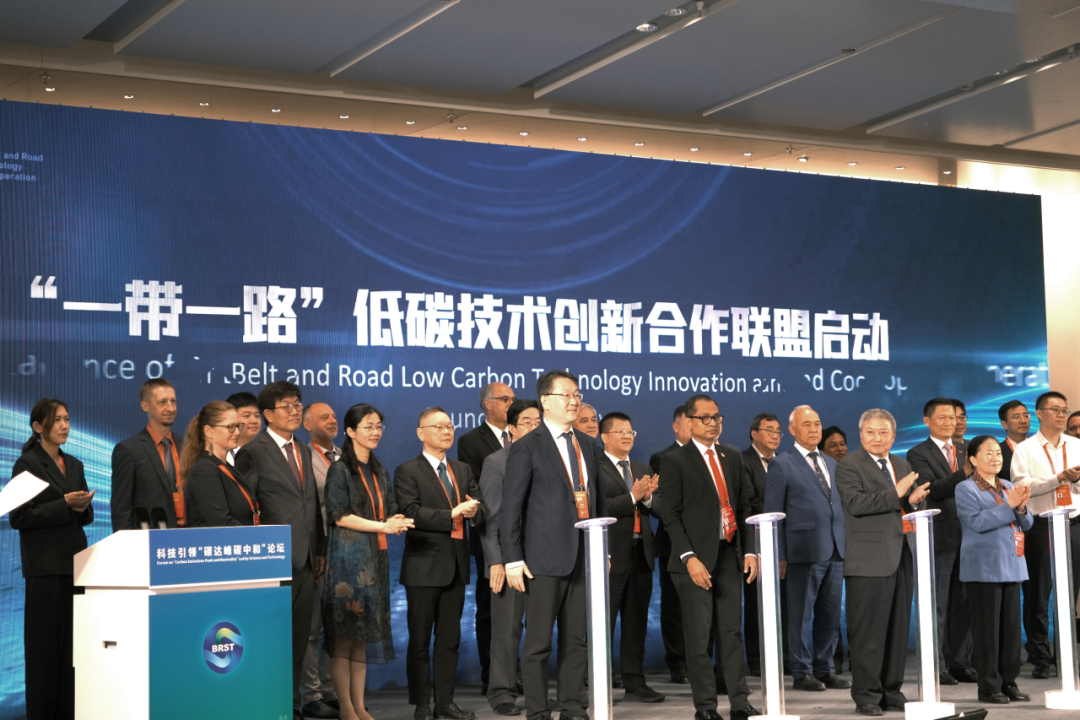
To further promote the Belt and Road Green Development Initiative and strengthen practical cooperation among partner countries in low-carbon technologies, the Belt and Road Low-Carbon Technology Innovation Cooperation Alliance was officially launched during the conference. Academician He Kebin, Dean of the Institute for Carbon Neutrality at Tsinghua University, was appointed as a member of the International Expert Committee of the Alliance.
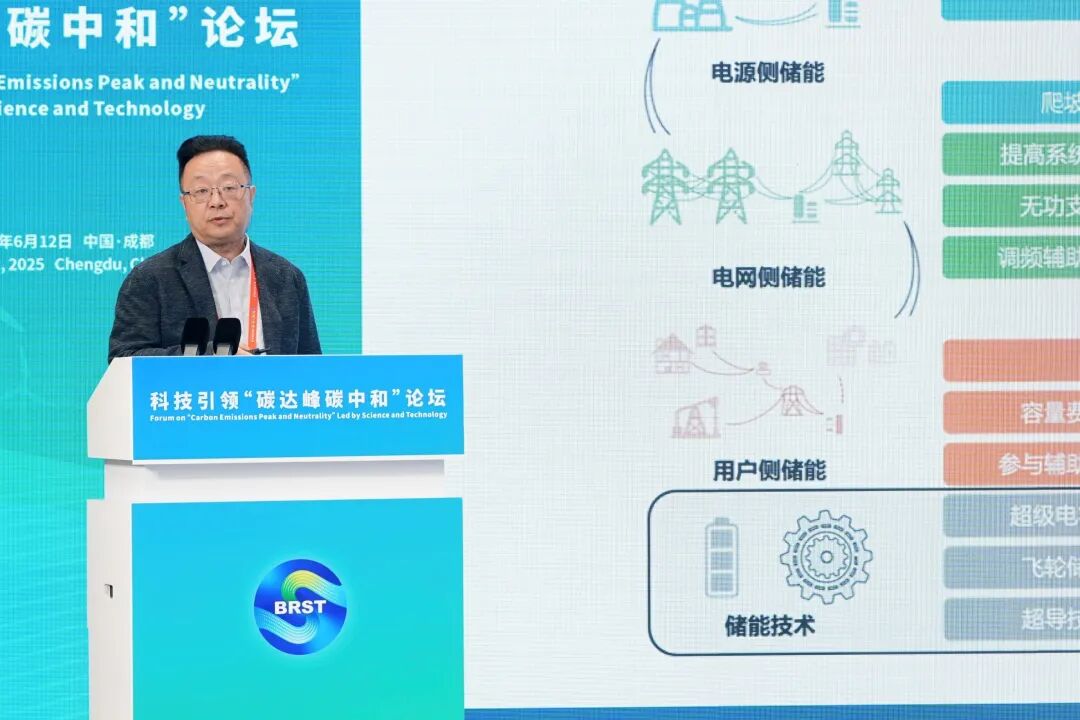
Academician He Kebin delivered a keynote report titled "Prospects for China Carbon Neutrality Technology Roadmap." He noted that extreme weather has caused major losses to the global economy, and China is among the countries most affected by extreme weather disasters. Compared with developed countries, China has a shorter and more demanding timeline from carbon peaking to carbon neutrality. At the current stage, half of the technologies that can support carbon neutrality are still in the research and development phase, and building a refined technology roadmap remains a major challenge. Against this background, it is urgent to focus on the strategic needs of industrial carbon neutrality in China, systematically deploy frontier low-carbon technologies, and clarify key technology pathways. The report "Prospects for Industrial Low-Carbon Technologies under China Carbon Neutrality Target" systematically reviews the key technology pathways for carbon neutrality in China industrial sectors and builds a technology map covering major industries and emission reduction links. Academician He also explained three major focal points for global carbon neutrality, including innovation in key core technologies, the supply chain for the new energy industry and key materials, and support systems for dual-carbon actions, with the aim of supporting the cultivation of new quality productive forces and high-quality industrial development.
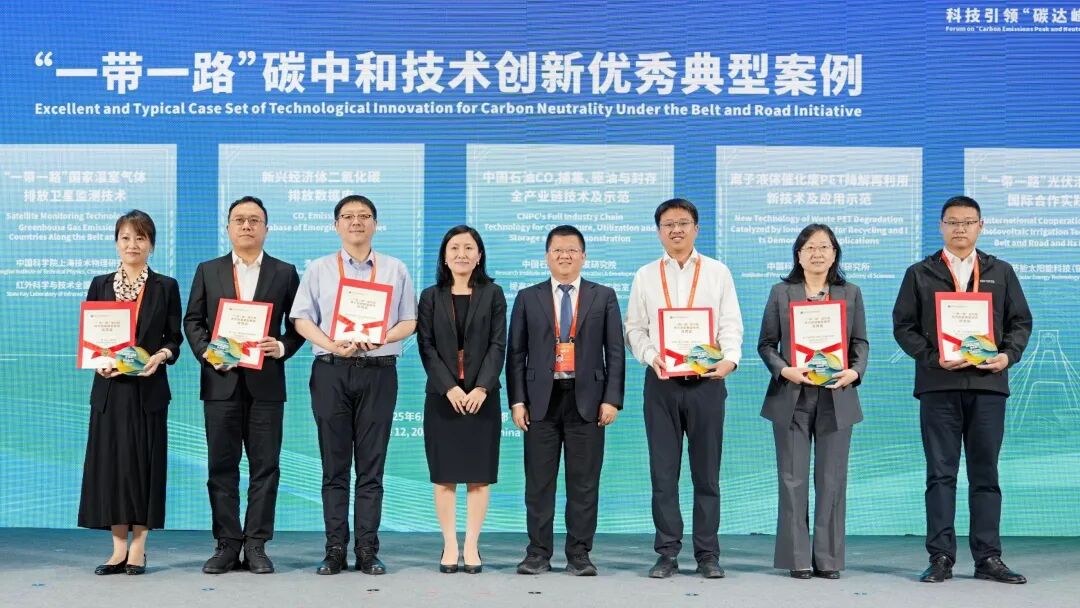
The forum organizing committee publicly solicited and selected 42 representative cases covering demonstration applications and capacity building in green and low-carbon fields between China and Belt and Road partner countries, along with 6 outstanding cases. The "CO2 Emissions Database for Emerging Economies" developed by the China Carbon Accounting Database team at Tsinghua University was selected as an outstanding case.
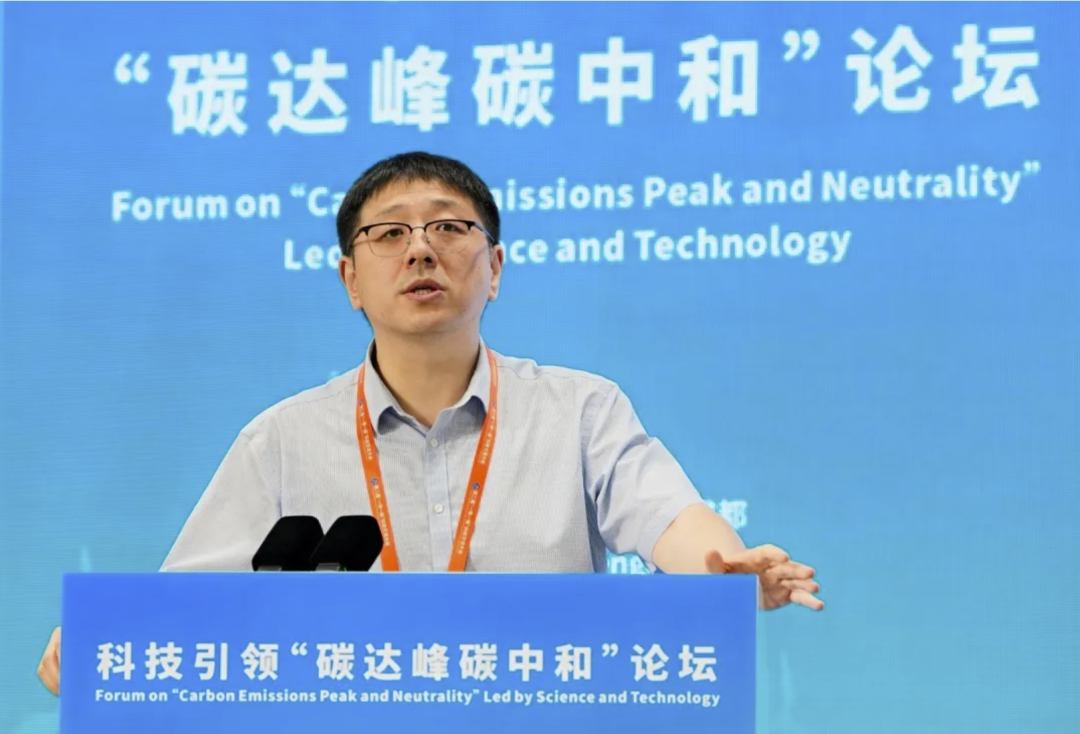
Guan Dabo, Vice Dean of the Institute for Carbon Neutrality at Tsinghua University and Chair Professor of Basic Sciences at Tsinghua University, shared the outstanding case on carbon emissions and carbon neutrality transition pathways for Belt and Road countries and interpreted the "CO2 Emissions Report for Emerging Economies 2025." He noted that as average temperatures continue to rise, climate change is becoming increasingly severe across regions and countries, and action is urgently needed. However, carbon emission characteristics vary significantly across regions and countries, so it is necessary to explore emission reduction pathways suited to national conditions. Unlike developed countries, emerging economies face greater challenges in achieving sustainable development and reducing emissions. Carbon emissions in small and medium-sized developing countries, especially Belt and Road countries, are increasing rapidly. In this context, continued progress in low-carbon economic transformation is a shared responsibility and mission for all countries. This year, the team compiled CO2 emission inventories for 70 countries from 2010 to 2022, aiming to provide the latest data and analysis on energy structures and CO2 emission characteristics in emerging economies. The work supports policymakers, researchers, the public, and other stakeholders in understanding new trends in carbon emissions in emerging economies and provides data support for exploring low-carbon emission reduction pathways.
During the roundtable discussion, Professor Jing Meng of University College London discussed "low-carbon technology pathways suitable for implementation and promotion in Belt and Road countries," offering important perspectives for future regional coordination and low-carbon transition. Professor Meng emphasized three priorities for promoting green and low-carbon development in Belt and Road countries. First, strategic goals and top-level design play an important guiding role. Climate and energy policies released by China and European countries in recent years show strong emission reduction ambitions and clear green development pathways. These top-level designs not only guide green infrastructure construction and low-carbon economic transition, but also provide useful references for Belt and Road countries as they develop their own strategies. Second, flexible use of policy instruments and market mechanisms can strengthen technological and financial cooperation. Promoting successful European experience in green finance and low-carbon technology policy innovation can help Belt and Road countries enhance institutional resilience and stimulate technological innovation. At the same time, stronger international cooperation can accelerate the deployment and scaling of green technologies and sustainable investment in partner countries. Third, building a global green development cooperation network can promote inclusive sharing of low-carbon technologies. China and developed countries actively support Belt and Road countries in cultivating local green industrial systems and achieving effective transfer and localized application of low-carbon technologies. In particular, China experience in digital transformation and low-carbon development can provide practical technology pathways and capacity support for more developing countries, helping achieve an inclusive global green transition.
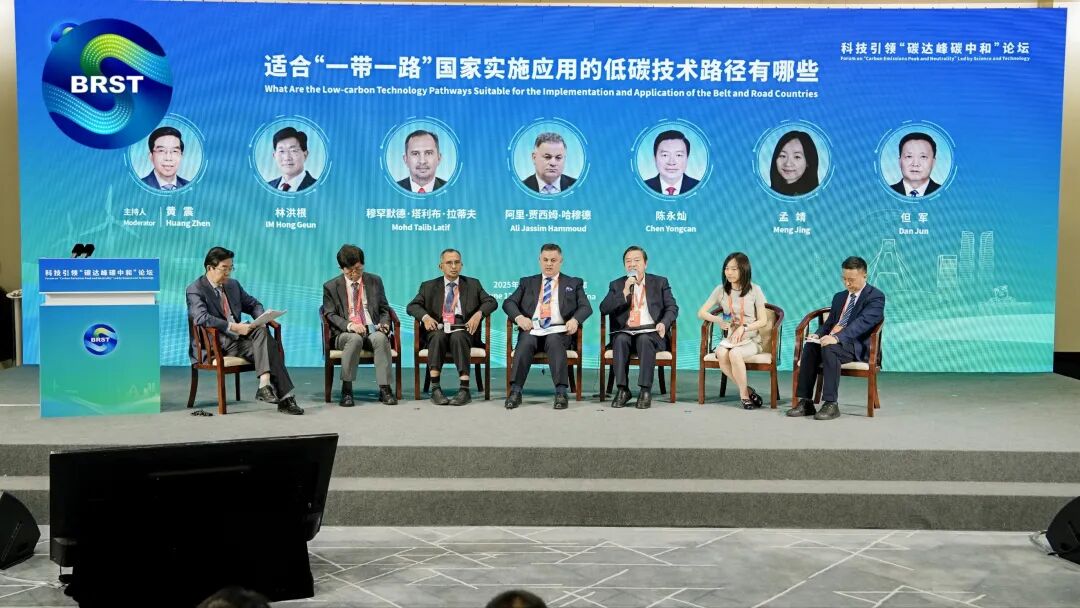
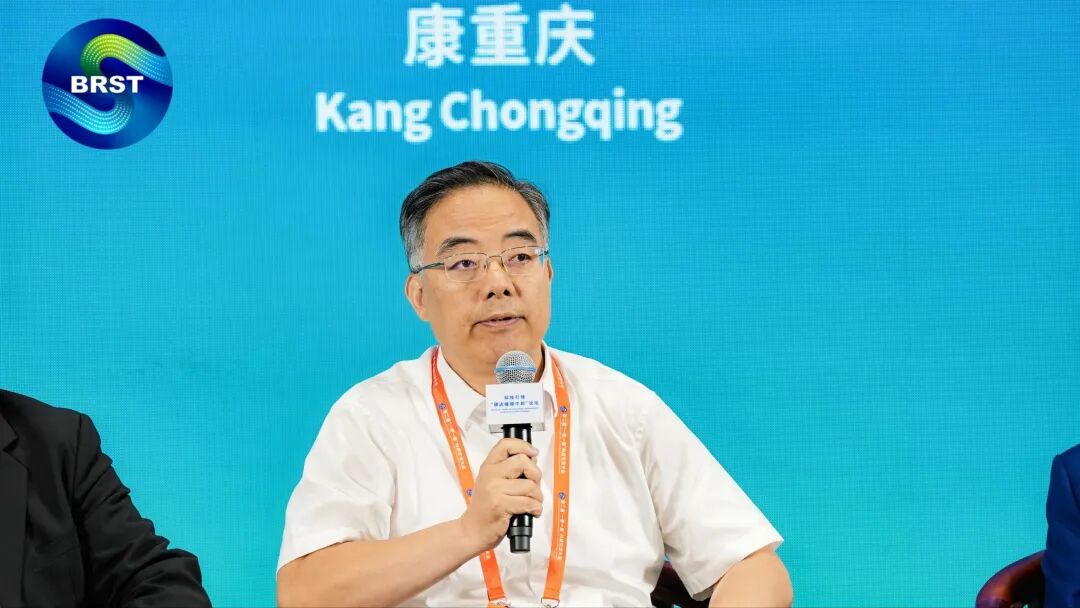
Professor Kang Chongqing, Head of the Department of Electrical Engineering at Tsinghua University and President of the Tsinghua Sichuan Energy Internet Research Institute, discussed carbon emission accounting and emission reduction in power systems. He emphasized that deep emission reduction in power systems depends on building a coordinated carbon emission accounting system across power generation and demand. On the generation side, low-carbon energy substitution should be accelerated to reduce the carbon intensity of thermal power generation. On the demand side, high-precision carbon measurement technologies should be promoted, and green electricity product certification and labeling should be advanced to improve market competitiveness. He noted that vigorously developing renewable energy such as wind power and photovoltaics is the fundamental pathway. Belt and Road countries should accelerate new energy deployment, improve policy support, jointly build low-carbon power systems, and promote green transition.
Appendix: Report Content
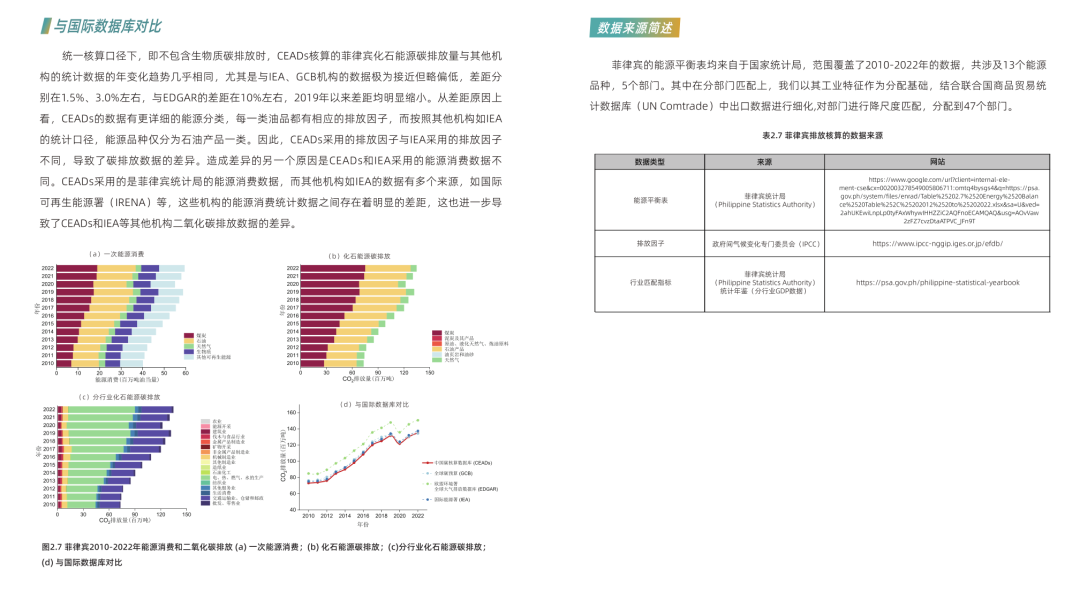
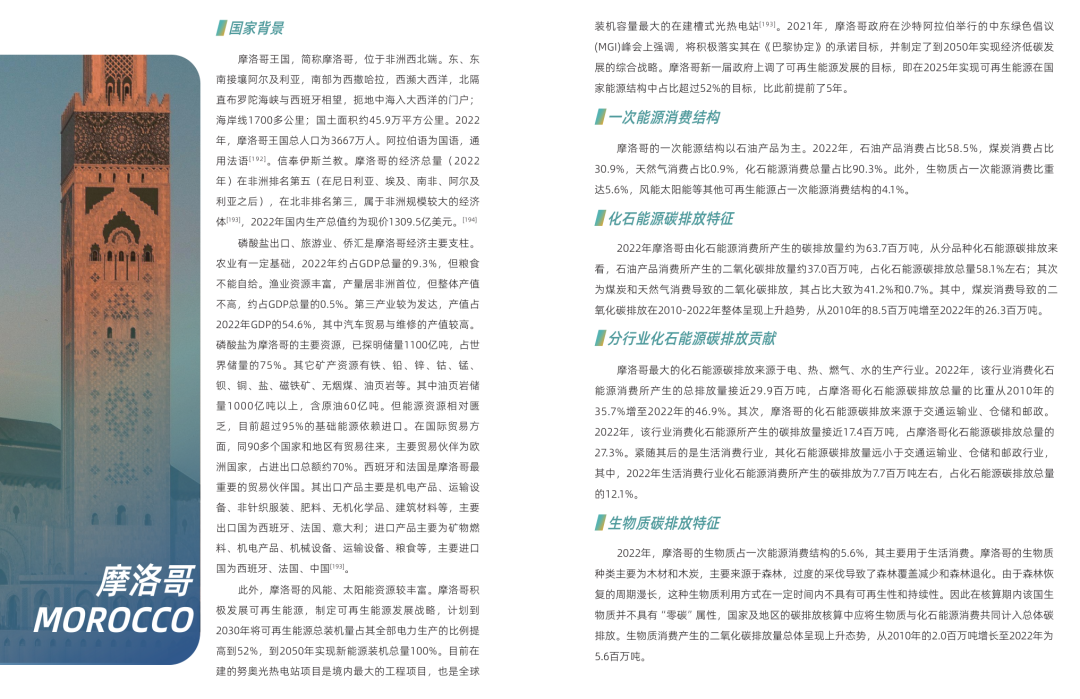
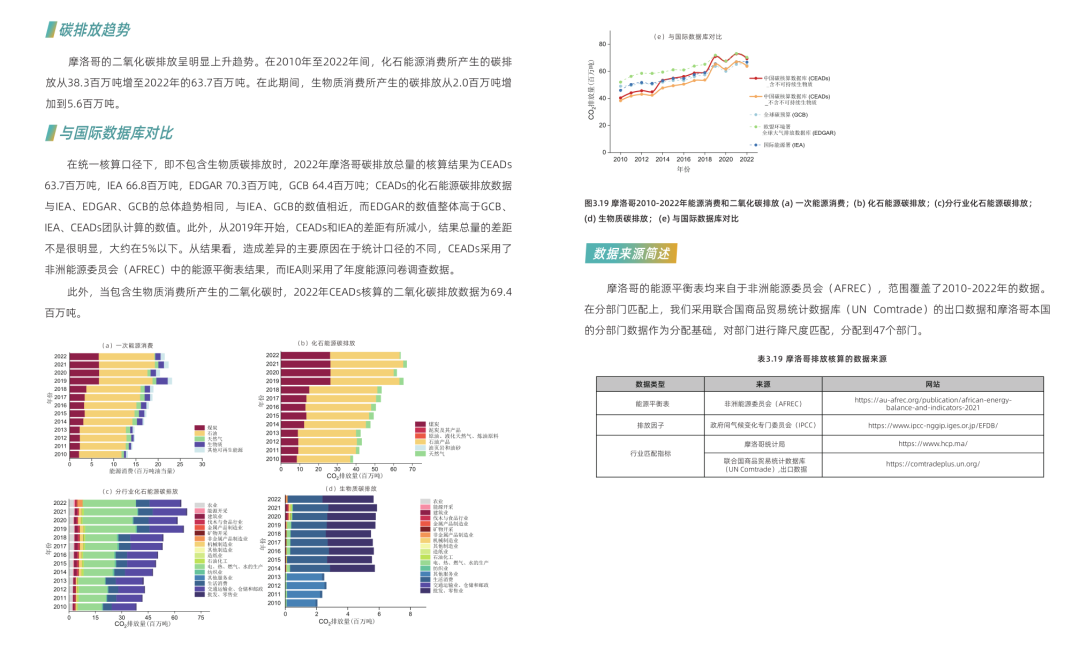
The "CO2 Emissions Report for Emerging Economies 2025" includes CO2 emission inventories by sector and energy type for 70 emerging economies.
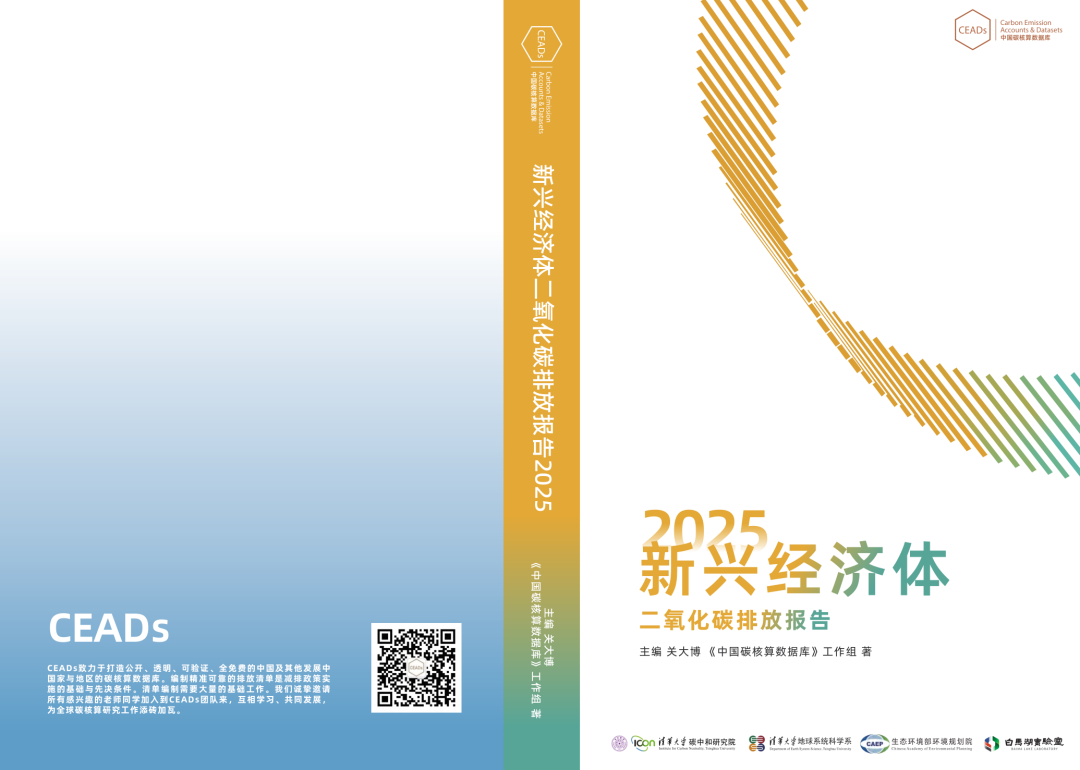
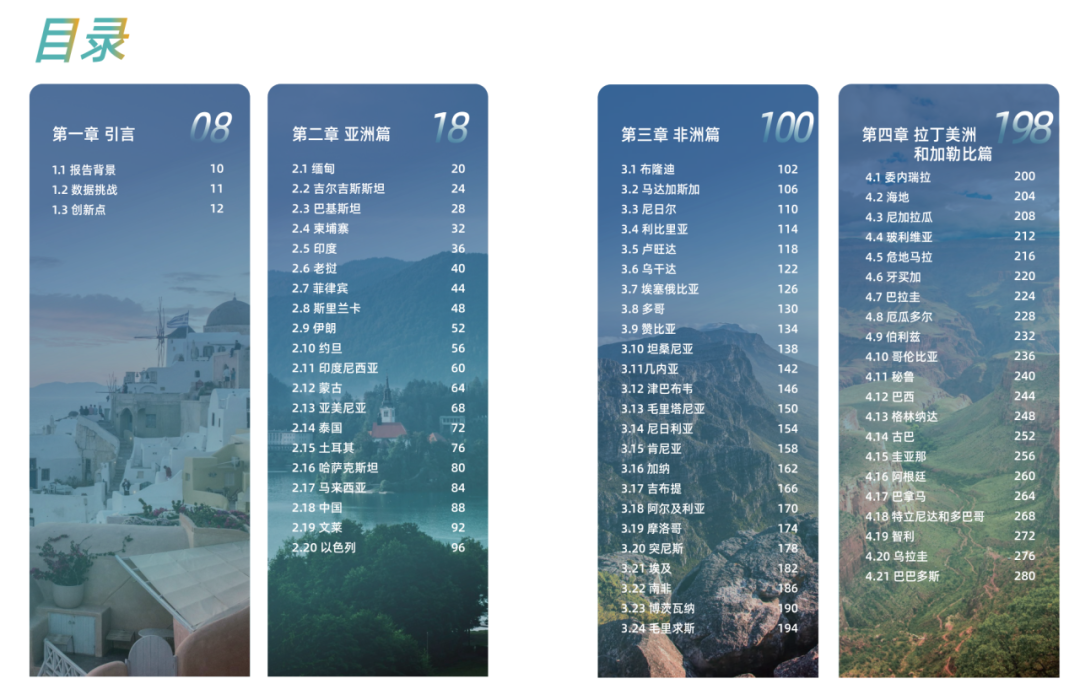
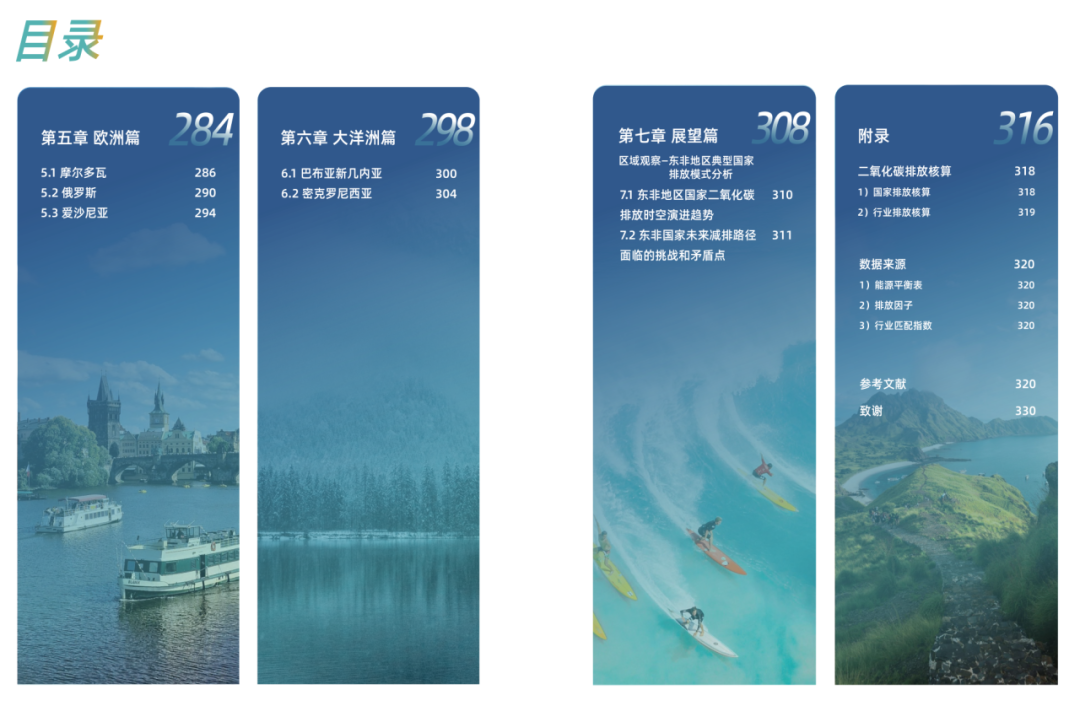
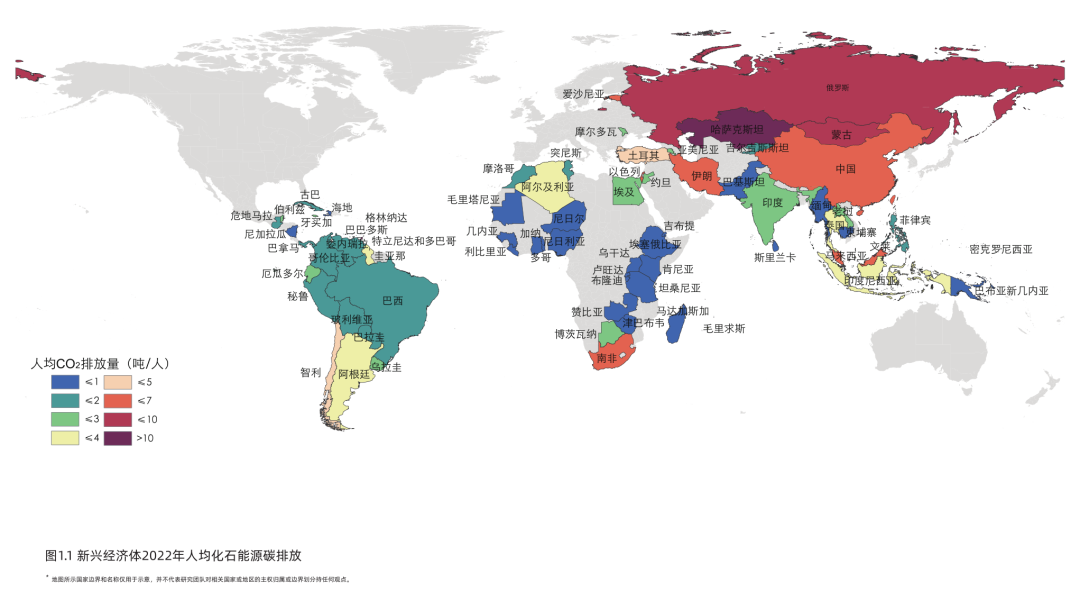
The report provides a detailed discussion of changing carbon emission dynamics across emerging economies in Asia, Africa, Latin America and the Caribbean, and Oceania. It presents comprehensive information on primary energy consumption structures, fossil fuel carbon emission characteristics, and sectoral contributions to fossil fuel carbon emissions. The coverage has expanded to 70 emerging economies, and the time series has been updated to 2022, revealing changes in energy consumption patterns in emerging economies over the past 13 years and their impact on global carbon emissions.
Report Overview
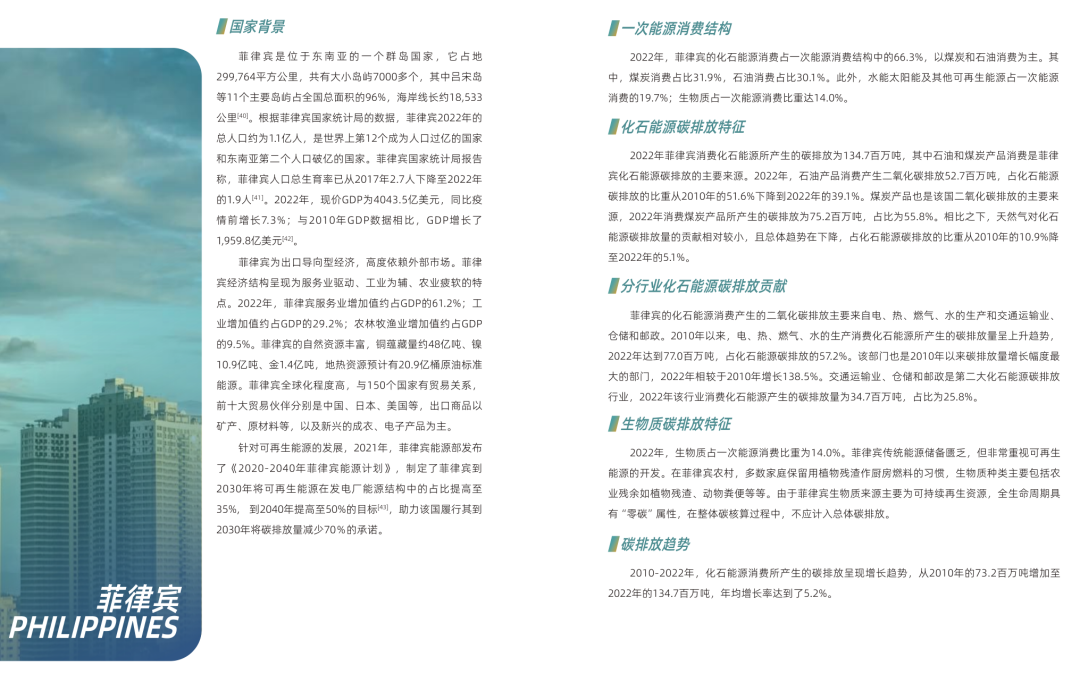
2. Representative countries in Africa
3. Representative countries in Latin America and the Caribbean
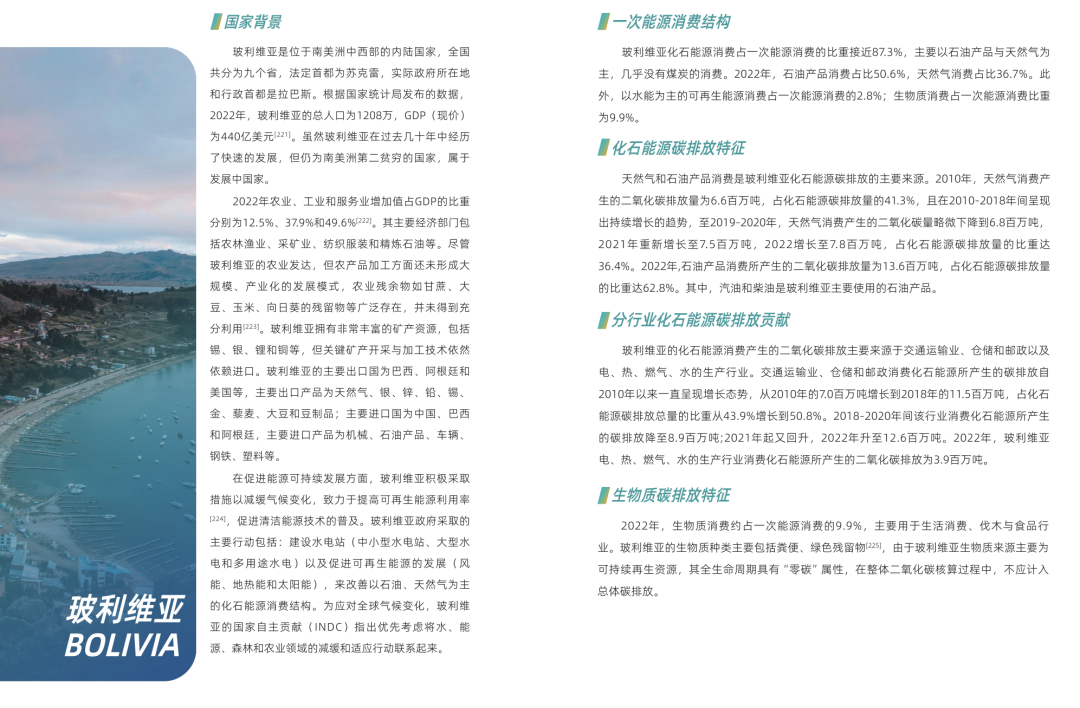
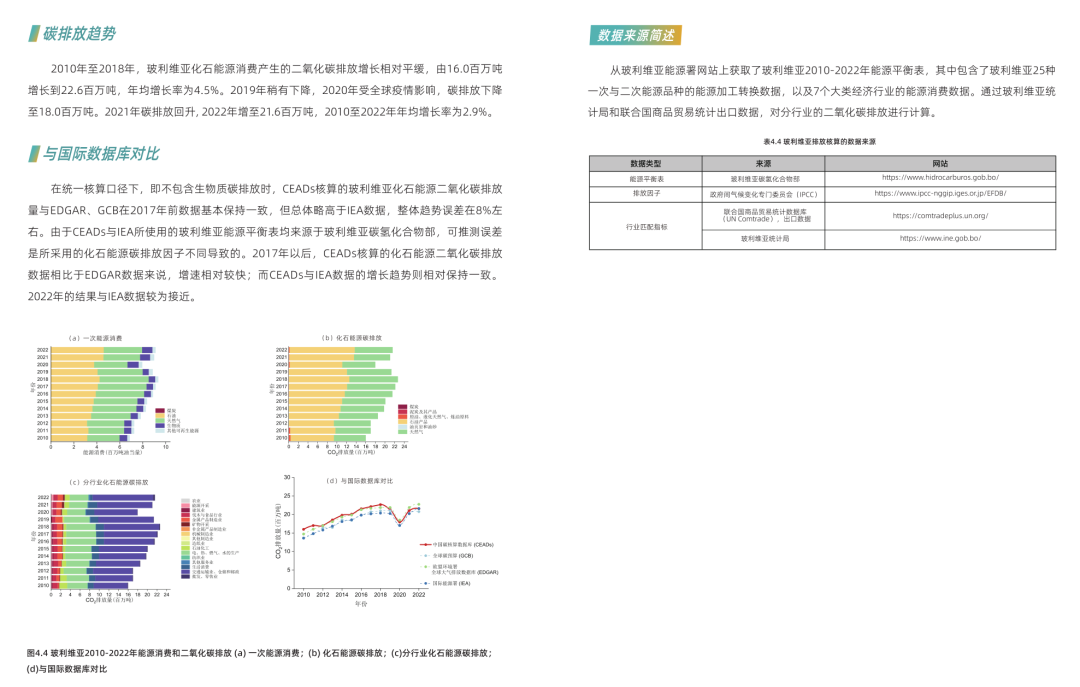
The 2025 CO2 Emissions Report for Emerging Economies shows that in the post-pandemic period of 2021-2022, rising energy demand drove a strong rebound in fossil fuel-related carbon emissions in some countries. Fossil fuel-related carbon emissions in India, Israel, Peru, Zambia, and Algeria increased in 2022 by 5.2%, 4.8%, 7.3%, 15.5%, and 5.1%, respectively, compared with 2021. Bolivia, Guyana, Madagascar, Rwanda, and Niger also recorded two consecutive years of rising emissions. Fossil fuel-related carbon emissions in Armenia, Laos, Burundi, and Mauritania continued to rise from 2020 to 2022. In recent years, Armenia, Togo, and Mauritania have developed rapidly in industrialization, and carbon emissions from fossil fuel use in power production and consumption increased from 1.2 million tonnes, 0.07 million tonnes, and 0.3 million tonnes in 2010 to 1.9 million tonnes, 0.4 million tonnes, and 1.3 million tonnes in 2022, respectively. In addition, fossil fuel-related carbon emissions in Turkey, Paraguay, Uganda, and South Africa declined in 2022 compared with 2021.
Report Access
The "CO2 Emissions Report for Emerging Economies 2025" is available for free download at:
https://www.ceads.net.cn/news/20251450.html
2025
Text | Li Shuping, Kao Qingyun, Chen Yuxin, Meng Jiaojiao
Review | Guan Dabo, Wang Zhe, Lu Xi