17 CEADs Scholars Named in the 2022 Global Highly Cited Researchers List, with More Than Half Under 40
CEADs
The CEADs team, led by Professor Dabo Guan of Tsinghua University, brings together early-career scholars from more than ten research institutions in China and abroad. The team is committed to studying the causes, impacts and responses to climate change, analyzing the drivers of greenhouse gas emissions, and exploring sustainable development pathways at both global and national scales.
Over the years, CEADs has encouraged interdisciplinary collaboration and supported scholars in independently choosing research directions in the field of carbon peaking and carbon neutrality. Through innovative research, the team promotes the rapid growth of young scientific and technological talent, with the aim of cultivating outstanding academic leaders with a global vision and a strong grounding at the frontiers of science and technology, thereby contributing talent and expertise to national carbon goals.
Named in the 2022 Global Highly Cited Researchers List
Clarivate recently released its 2022 Highly Cited Researchers list, which identifies leading scientists from universities, research institutions and commercial organizations worldwide who have demonstrated significant and broad influence in their fields. A total of 6,938 scientists from 69 countries and regions were selected for the 2022 list. The selection methodology, developed by bibliometric experts and data scientists at the Institute for Scientific Information (ISI), is based on citation data and analysis. Papers by Highly Cited Researchers rank in the top 1% by citations for their field and publication year, demonstrating major academic influence. With fewer than 7,000 researchers selected globally in 2022, Highly Cited Researchers account for only 0.1% of scientists in the natural and social sciences across 21 research fields and cross-field categories.
Seventeen CEADs team members were included this year, recognizing their world-class influence in their research fields and their outstanding contributions to the development of those fields. More than half of the selected CEADs scholars, nine in total, are early-career researchers under the age of 40. CEADs young scholars have long pursued frontier interdisciplinary research in environmental science, ecology and related fields, contributing their expertise to national carbon neutrality and carbon peaking strategies. In recent years, they have stood out in many major domestic and international awards, contributing substantially to disciplinary development in China while also taking the global stage, participating in a growing number of international projects, and becoming energetic and enterprising young academic leaders.
9 Early-Career Scholars
(listed in alphabetical order by surname)
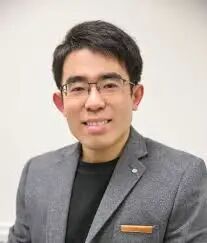
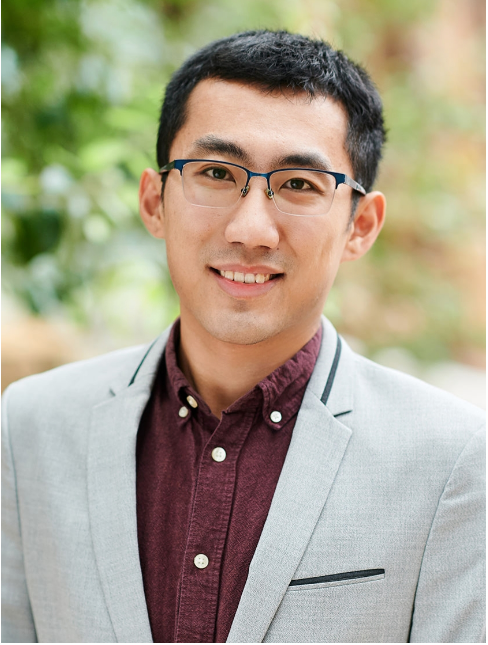
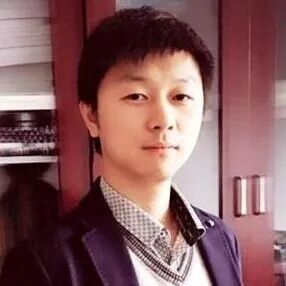
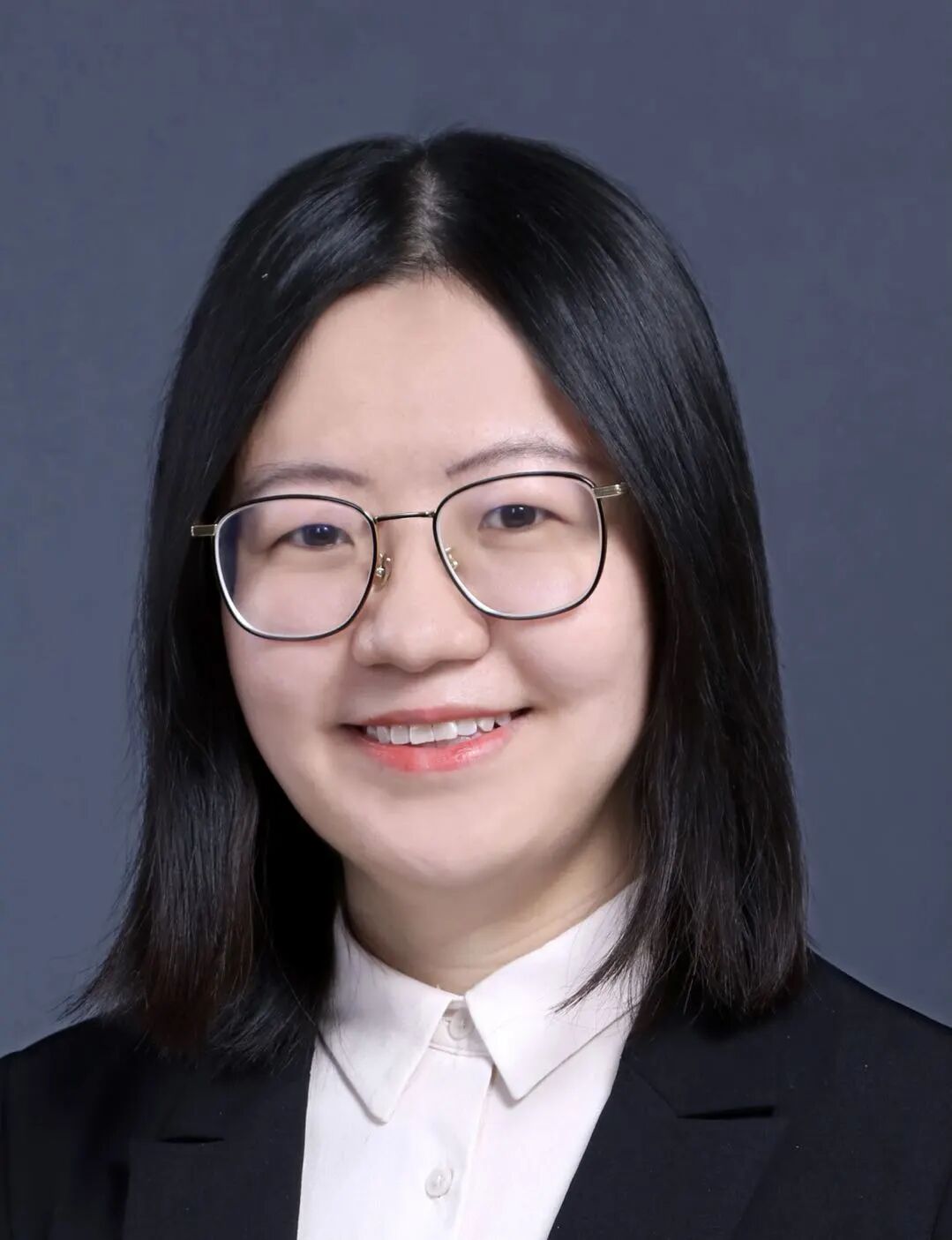
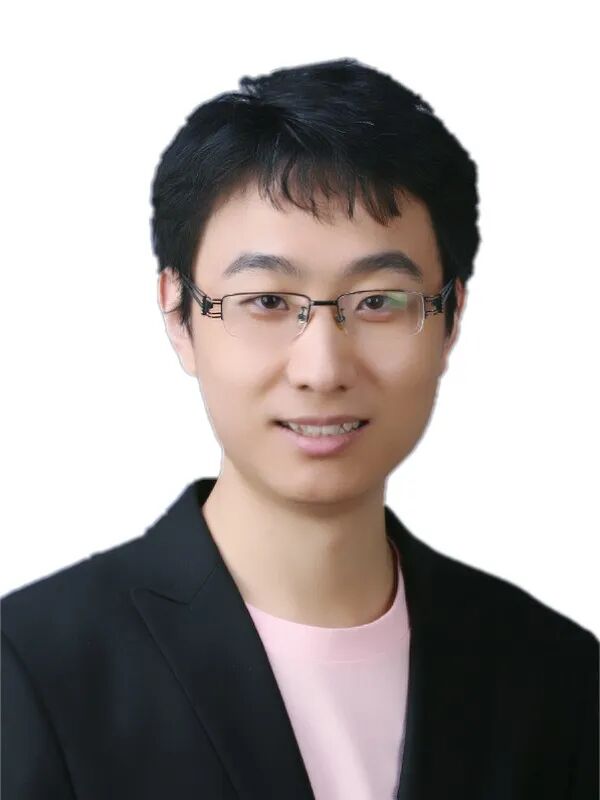
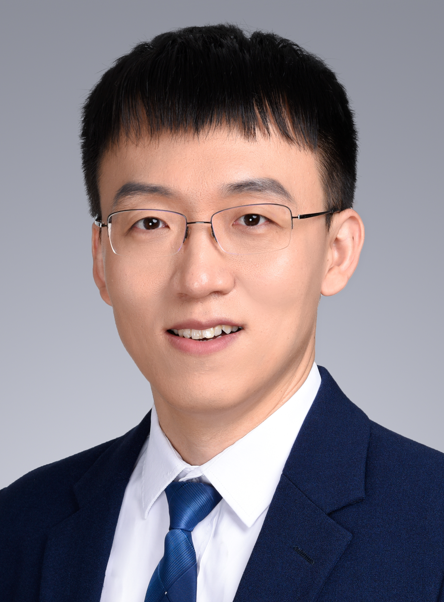
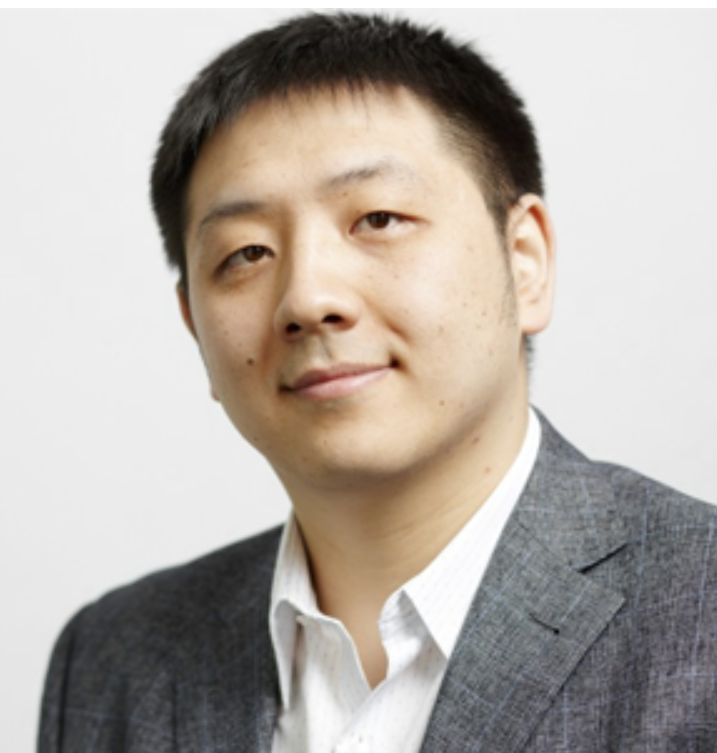
8 Senior Scholars
(listed in alphabetical order by surname)
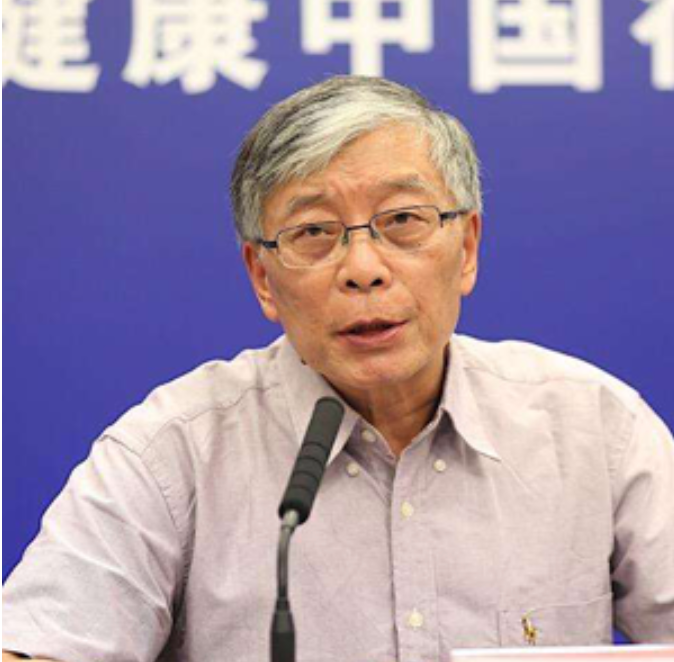
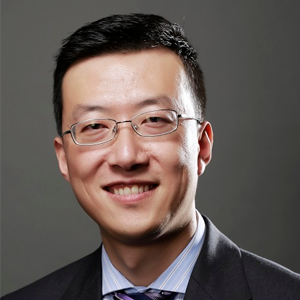
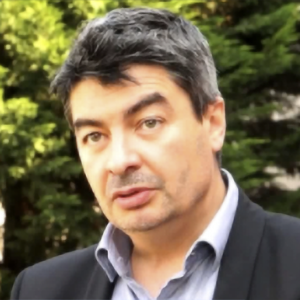
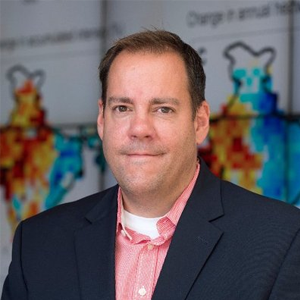
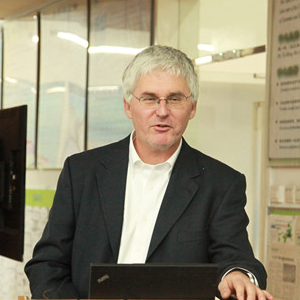
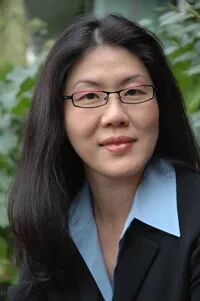
CEADs Early-Career Honorees
(listed in alphabetical order by surname)
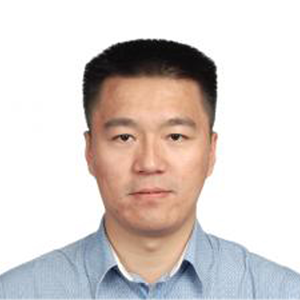
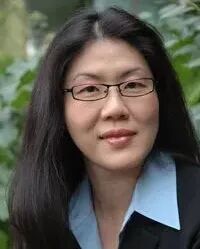
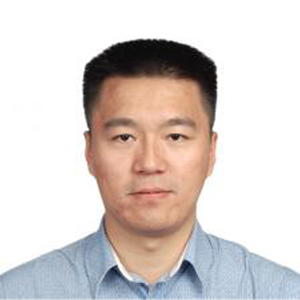
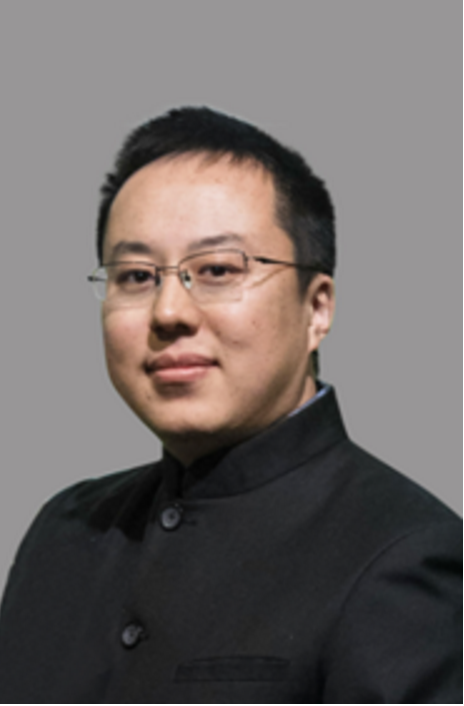
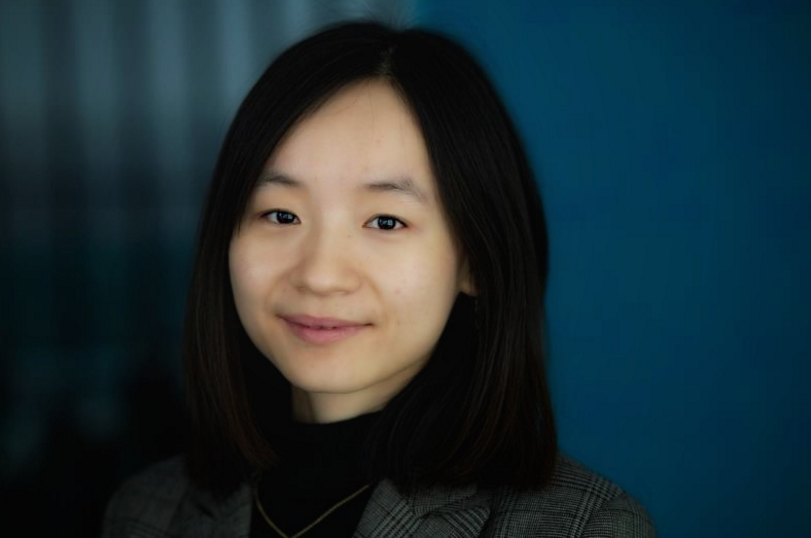
Kuishuang Feng is a professor at the University of Maryland. His research focuses on socioeconomic and environmental accounting at different spatial scales, including regional, national and global scales. He has published more than 100 papers in high-impact academic journals such as PNAS and Nature portfolio journals. He serves as associate editor of Science of the Total Environment and Energy, Ecology and Environment. He is currently Deputy Secretary-General of the International Society for Industrial Ecology (ISIE), co-chair of the ISIE EEIO Section, and a council member of the International Input-Output Association.
Zhu Liu is an associate professor in the Department of Earth System Science at Tsinghua University. He has received honors including MIT Technology Review Innovators Under 35, the Qiushi Outstanding Young Scholar Award, and Germany’s Green Talents Award. His team has collaborated with research institutions in China and abroad to develop the global near-real-time carbon database Carbon Monitor, which has been cited by international organizations including the IPCC, WMO and Global Carbon Project as one of their benchmark emissions databases. He has published more than 40 papers in Nature and its portfolio journals.
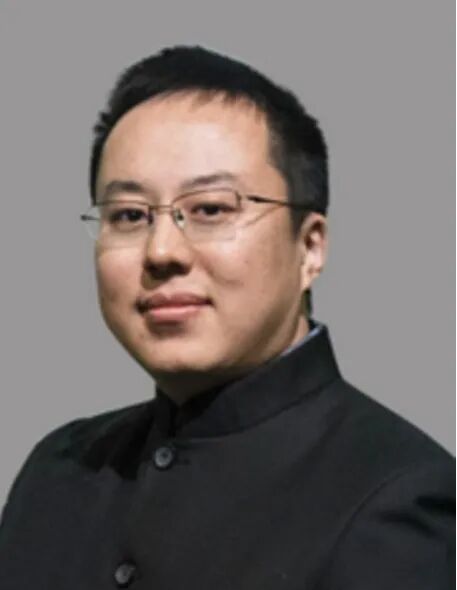
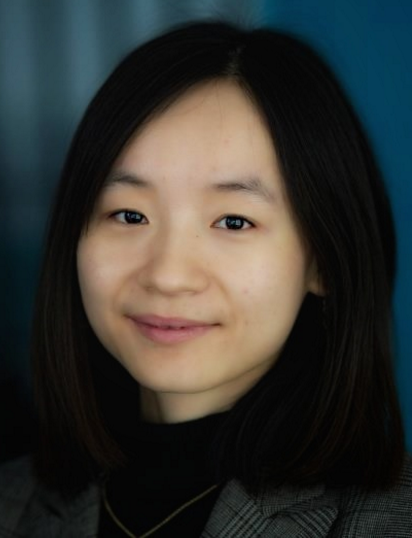
Jing Meng is a tenured associate professor at University College London and a fellow at the Centre for Environment, Energy and Natural Resource Governance at the University of Cambridge. Dr. Meng received her PhD in environmental geography from Peking University in 2016 and has long been engaged in interdisciplinary research, including integrated assessment models driven by low-carbon technology innovation, climate change mitigation policy, and the socioeconomic impacts of coordinated emissions reduction. She has received multiple honors, including MIT Technology Review Innovators Under 35, the Future Sustainability Leader Award, and recognition among the Top 50 Frontier Papers in Earth and Planetary Sciences. She serves as associate editor of the SCI journal Journal of Cleaner Production and the SSCI journal Economia Politica.
Zhifu Mi is Vice Dean of The Bartlett School of Sustainable Construction at University College London and a tenured professor of climate change economics. He has made significant contributions in integrated assessment models for climate change, carbon emissions accounting and input-output analysis. He has been named to the Forbes Europe 30 Under 30 list and the Clarivate Highly Cited Researchers list, and has received several awards including the UCL Outstanding Research Supervisor Award, which is given to one recipient university-wide each year. He currently serves as co-editor-in-chief of the SSCI journal Structural Change and Economic Dynamics.
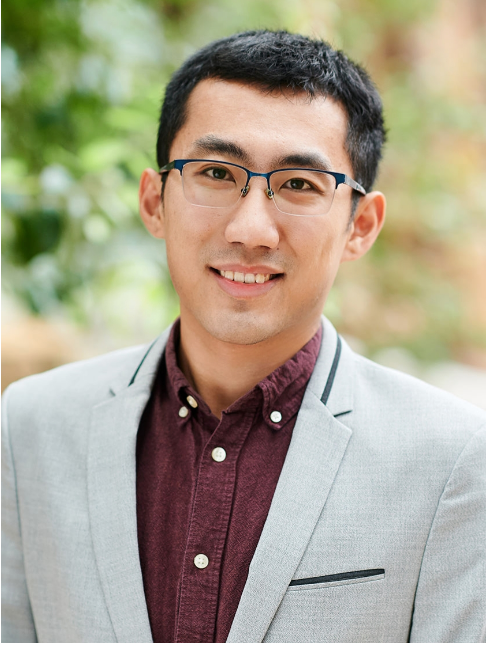
Yuli Shan is a tenured associate professor in low carbon transition and sustainable development at the University of Birmingham. He is a contributing author to the IPCC Sixth Assessment Report and has been listed among Stanford University’s global top 2% scientists. He has received honors including Germany’s Green Talents Award and the award for China’s 100 Most Influential International Academic Papers. His long-term research focuses on carbon emissions accounting, regional sustainable development and climate change economics, and he has published dozens of papers in high-impact journals including Nature and Science portfolio journals. He serves as an editor for Scientific Data, Journal of Cleaner Production and other journals.
Shuai Shao is a distinguished professor and doctoral supervisor at East China University of Science and Technology, Vice Dean of the School of Business, Deputy Director of the Research Center for Energy Economics and Environmental Management, chief expert of a major project funded by the National Social Science Fund of China, and a recipient of the National Science Fund for Excellent Young Scholars. He has received many awards, including the Youth Achievement Award of the Outstanding Achievement Award in Scientific Research in Higher Education (Humanities and Social Sciences), the Zhang Peigang Young Scholar Award in Development Economics, and the Liu Shibai Economics Award. His main research fields include energy economics and environmental management and regional sustainable development. He has published more than 150 papers in journals including Nature portfolio journals and World Development, and serves as an editor for World Development, PLOS ONE and other journals.
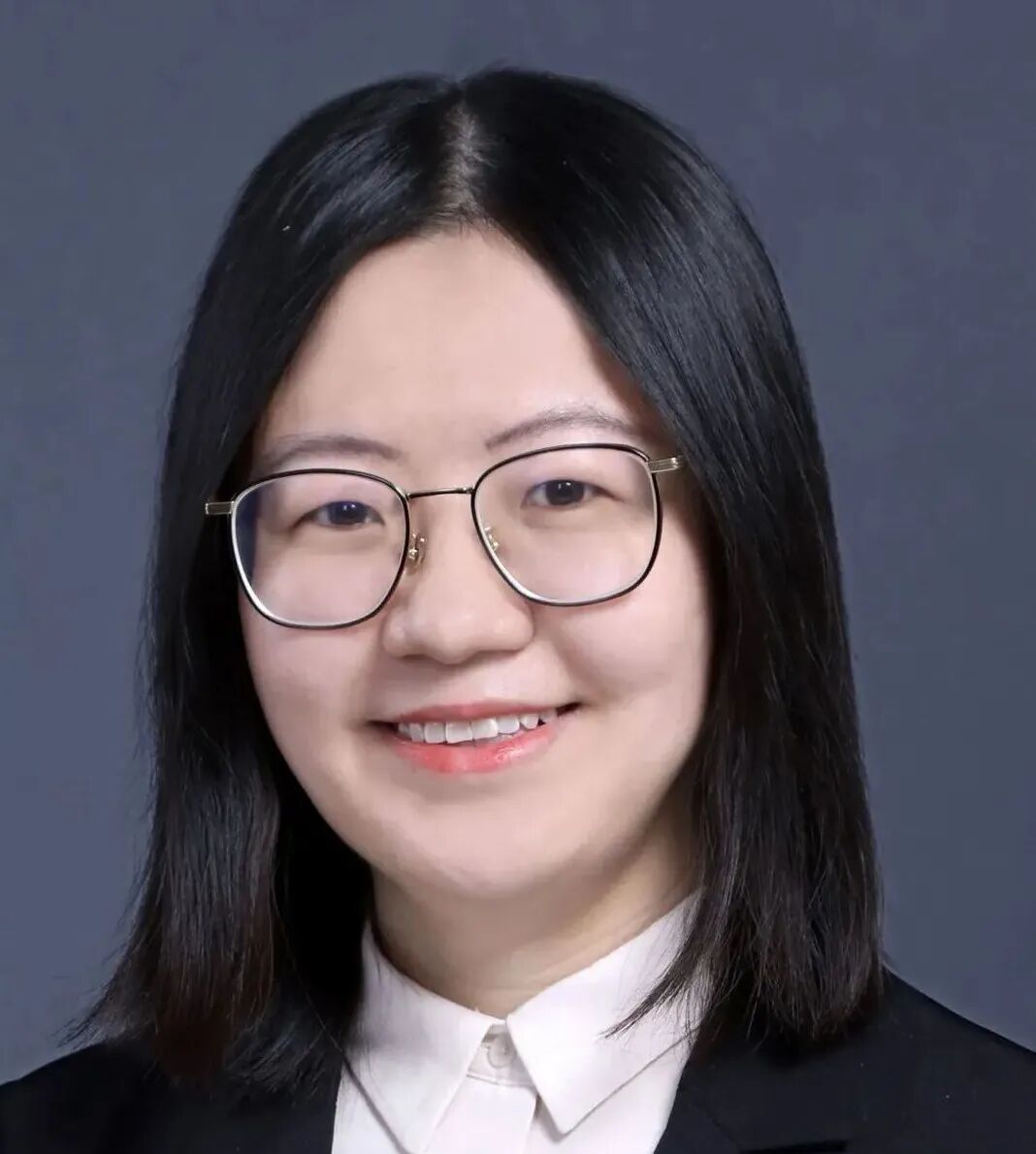
Dan Tong is an assistant professor in the Department of Earth System Science at Tsinghua University. She has received honors including MIT Technology Review Innovators Under 35 and the Alibaba DAMO Academy Qingcheng Award. Her research focuses on global anthropogenic atmospheric composition emissions accounting, assessment of the climate and environmental impacts of global energy infrastructure lock-in, integrated energy-environment-economy model simulation and analysis, and coordinated governance for carbon neutrality and clean air. Many of her studies have been published in leading journals including Nature and its portfolio journals.
Ning Zhang is Dean of the Institute of Blue and Green Development at Shandong University, Vice Dean and professor at the Frontier Interdisciplinary Research Institute. His research focuses on resource and environmental economics and sustainable development management. He currently serves as associate editor of the SSCI journal Social Science Journal, editorial board member of the ABS three-star journal Technological Forecasting and Social Change, and academic editor of China Population, Resources and Environment. He has published more than 100 papers in domestic and international journals including Science, Nature portfolio journals, Cell portfolio journals, Lancet portfolio journals, Economic Research Journal and ABS four-star journals.
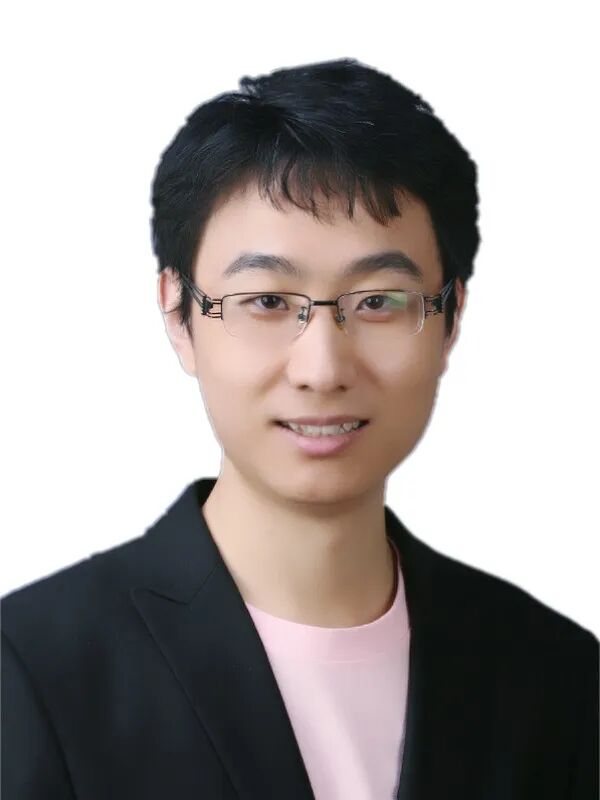
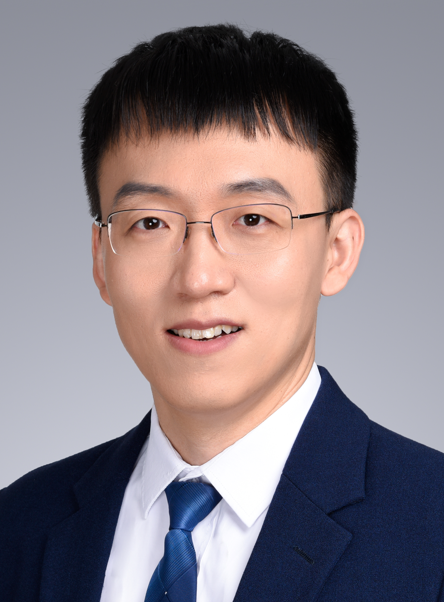
Bo Zheng is an assistant professor at the Institute of Environment and Ecology, Tsinghua Shenzhen International Graduate School. His research focuses on the atmospheric carbon cycle, atmospheric chemistry modeling, air quality management and climate change response strategies. He has published more than 20 papers in leading journals such as Science Advances, National Science Review and Science Bulletin, and serves on the editorial boards of Earth System Science Data and Environmental Science & Ecotechnology.
CEADs Senior Honorees
(listed in alphabetical order by surname)
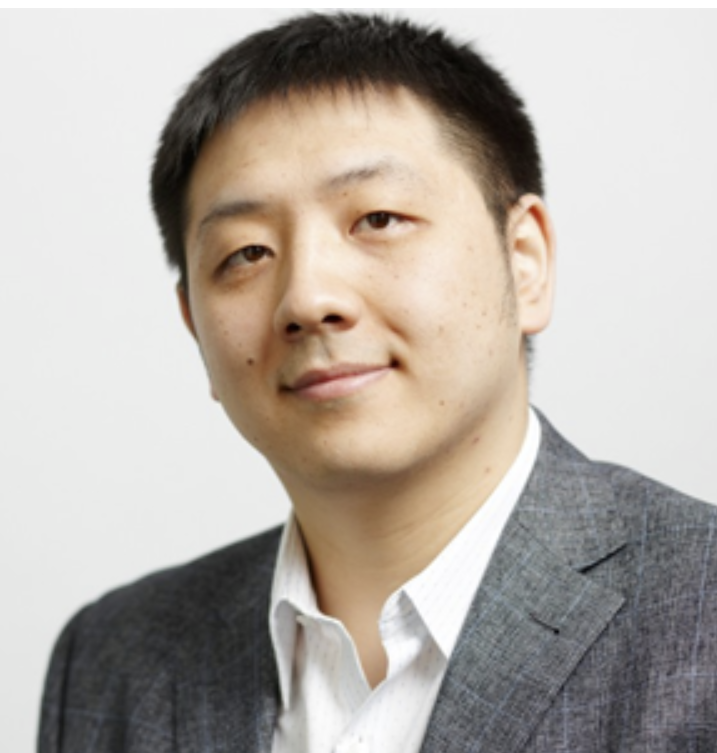
Dabo Guan is a Fellow of the Academy of Social Sciences in the United Kingdom, a distinguished professor in the Department of Earth System Science at Tsinghua University, founder of the CEADs database, and lead expert of the China-Europe flagship international cooperation program on climate change and biodiversity under China’s 14th Five-Year Plan. He has received many awards, including the Global 100 Most Influential Papers Award, the Cozzarelli Prize, the Philip Leverhulme Prize, and the Leontief Best Paper Award. His research is dedicated to understanding the causes and impacts of climate change and quantifying global and national pathways toward carbon peaking and carbon neutrality.
Kebin He is a member of the Chinese Academy of Engineering and Dean of the Institute for Carbon Neutrality at Tsinghua University. He has long been committed to research on complex air pollution, especially PM2.5, and has carried out in-depth work on atmospheric particulate matter and complex pollution identification, characteristics of complex source emissions and coordinated control of multiple pollutants, and coordinated control of air pollution and greenhouse gases.
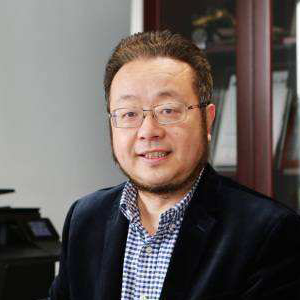
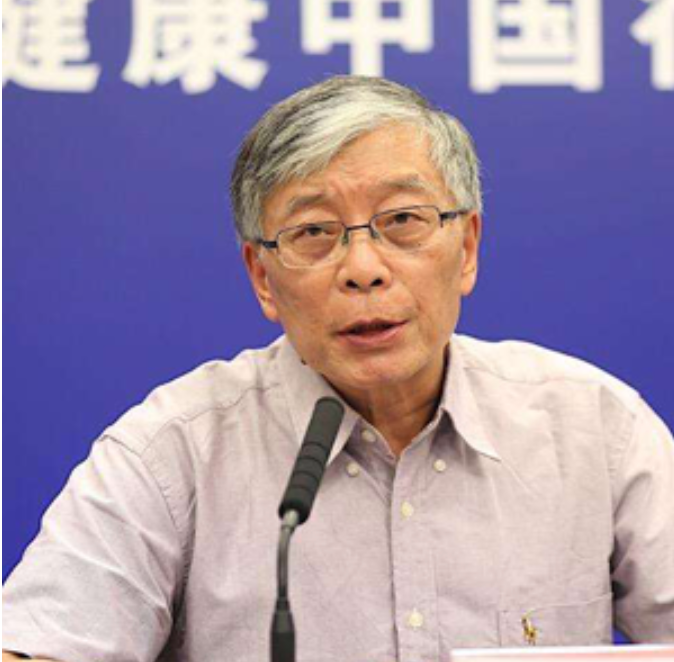
Shu Tao is a member of the Chinese Academy of Sciences. His research focuses on global pollutant emission inventories, pollutant transport and exposure modeling, and emissions from rural residential sources and their effects on indoor and outdoor air quality and health. He also serves as deputy editor of Environmental Science & Technology, editorial board member of Environmental Pollution, and a member of the Pacific Basin Consortium for Environment & Health Science.
Qiang Zhang is Deputy Head and professor in the Department of Earth System Science at Tsinghua University. His work focuses on multi-scale dynamic emission inventory development, air quality numerical modeling, satellite remote sensing observations of atmospheric composition, integrated inversion of atmospheric composition sources and sinks, big-data analysis in atmospheric science, and interactions between climate change and the atmospheric environment. He has published dozens of papers in Nature and Science portfolio journals, received more than 30,000 SCI citations, had four papers selected among China’s 100 Most Influential International Academic Papers and 52 Highly Cited Papers, and has an H-index of 91.
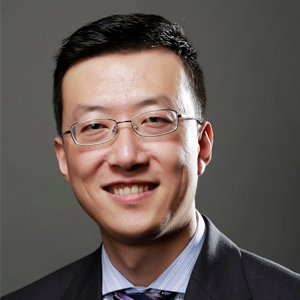
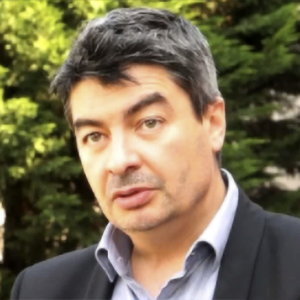
Philippe Ciais is a member of the French Academy of Sciences, a foreign member of the Chinese Academy of Sciences, Deputy Director of the Laboratory for Climate and Environment Sciences (LSCE), and professor at the University of Versailles Saint-Quentin-en-Yvelines (UVSQ). He is the current chair of the Global Carbon Project, chair of the Integrated Global Carbon Observation initiative, a principal investigator of Carbon Europe and Carbon Africa, and a lead author of the IPCC Fourth Assessment Report.
Klaus Hubacek is professor of ecological economics at the Energy and Sustainability Research Institute at the University of Groningen and a Fellow of the Academy of Social Sciences in the United Kingdom. His research focuses on conceptualizing and modeling interactions between human and environmental systems, as well as developing and modeling scenarios for future change. He has published high-level papers in journals including Nature and its portfolio journals and PNAS, and serves as an editor for several scientific journals including Applied Energy and Journal of Industrial Ecology.
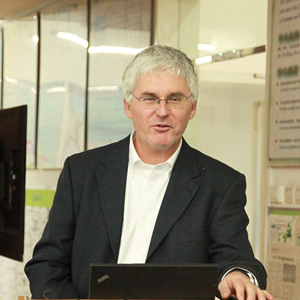
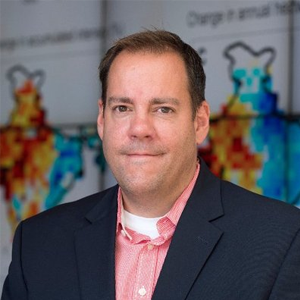
Steven J. Davis is a professor in the Department of Earth System Science at the University of California, Irvine. His work seeks ways to address climate change amid global demand for energy, food and commodities. He has published nearly 100 high-quality papers in Nature and Science, received the PNAS Cozzarelli Prize in 2014, and has repeatedly received the Global 100 Most Influential Papers Award.
Karen C. Seto is a member of the U.S. National Academy of Sciences and the Frederick C. Hixon Professor of Geography and Urbanization Science at the Yale School of the Environment. She has served as co-chair of the Urbanization and Global Environmental Change (UGEC) core science project of the International Human Dimensions Programme on Global Environmental Change (IHDP), and as a member of the IPCC scientific steering committee on human settlements and infrastructure. Her main research area is the relationship between urbanization and global change, including land-use dynamics, urban expansion prediction, land-use change and the environmental effects of urban expansion.